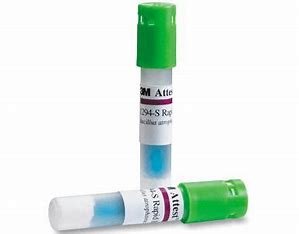
Biological indicators are test systems that contain viable microorganisms with a known resistance to a specific sterilization process. They are used to monitor the effectiveness and quality of the sterilization process and to ensure that the necessary conditions for killing the microorganisms were met. Biological indicators can be used for various types of sterilization processes, such as steam, ethylene oxide, hydrogen peroxide, and radiation.
Contents
What are the Components of a Biological Indicator?
A biological indicator consists of three main components:
- A carrier material, which is the substrate that holds the microorganisms. The carrier material can be paper, glass, metal, or plastic.
- A population of microorganisms, which are usually bacterial spores that have a high resistance to the sterilization process. The most commonly used microorganisms are Geobacillus stearothermophilus for steam and hydrogen peroxide sterilization, and Bacillus atrophaeus for ethylene oxide and radiation sterilization.
- A primary pack, which is the container that protects the carrier material and the microorganisms from environmental contamination. The primary pack can be a glass ampoule, a vial, a strip, or a self-contained device.
How are Biological Indicators Used?
Biological indicators are used to verify the performance and quality of the sterilization process by providing a direct measure of the lethality of the process. They are typically used in three ways:
- Routine monitoring: Biological indicators are used on a regular basis to check the functionality and consistency of the sterilizer. They are usually placed inside a process challenge device (PCD), which is a device that simulates the most difficult items or locations to sterilize in a load. A passing result for the biological indicator within the PCD indicates that the sterilizer is effective in killing a large number of highly resistant spores.
- Qualification: Biological indicators are used to validate the installation, operation, and performance of a new or modified sterilizer. They are placed in various locations and configurations within the load to demonstrate that all items are adequately exposed to the sterilizing agent.
- Load monitoring: Biological indicators are used to monitor the sterility of each load or batch of items that are processed in the sterilizer. They are placed in representative items or locations within the load to confirm that the required sterility assurance level (SAL) is achieved.
How are Biological Indicators Tested?
Biological indicators are tested after they are exposed to the sterilization process to determine whether any spores survived the process. The testing procedure involves two main steps:
- Heat shock: The biological indicator is subjected to a heat treatment that activates the spores and prepares them for growth. The heat shock can be done by placing the biological indicator in a water bath or an incubator at a specific temperature and time depending on the type of sterilization process and microorganism.
- Enumeration: The biological indicator is incubated under defined growth conditions that allow the spores to germinate and multiply. The enumeration can be done by using a culture medium, a colorimetric indicator, or a fluorescence indicator that detects the presence or absence of growth. If no growth is detected, the test is a pass. If growth is detected, the test is a fail.
Which Statement Related to Biological Indicator Testing is True?
Based on the information above, we can evaluate some statements related to biological indicator testing and determine which one is true.
- Statement 1: Biological indicators contain dead microorganisms that change color when exposed to a sterilization process.
- This statement is false. Biological indicators contain viable microorganisms that do not change color when exposed to a sterilization process. The color change occurs during the enumeration step when a colorimetric indicator is used to detect growth.
- Statement 2: Biological indicators can be used for any type of sterilization process with any type of microorganism.
- This statement is false. Biological indicators are designed for specific types of sterilization processes with specific types of microorganisms. The microorganisms are chosen based on their known resistance to the sterilization process. For example, Geobacillus stearothermophilus spores are used for steam and hydrogen peroxide sterilization because they have a high resistance to these processes.
- Statement 3: Biological indicators provide a direct measure of the lethality of the sterilization process by using highly resistant spores as challenge organisms.
- This statement is true. Biological indicators provide information on whether necessary conditions were met to kill a specified number of microorganisms for a given sterilization process. By using highly resistant spores as challenge organisms, biological indicators provide a high level of confidence in the sterility of the items processed in the sterilizer.
Conclusion
Biological indicator testing is an important method for monitoring and validating sterilization processes in various settings, such as healthcare, pharmaceutical, food, and cosmetic industries. Biological indicators are test systems that contain viable microorganisms with a defined resistance to a specific sterilization process. They are used to verify the performance and quality of the sterilization process by providing a direct measure of the lethality of the process. The testing procedure involves heat shock and enumeration steps that determine whether any spores survived the process. Among the statements related to biological indicator testing, the one that is true is that biological indicators provide a direct measure of the lethality of the sterilization process by using highly resistant spores as challenge organisms.
