Primates are a diverse group of mammals that include humans, apes, monkeys, lemurs, lorises, tarsiers, and bushbabies. They are characterized by having opposable thumbs, large brains, binocular vision, and complex social behaviors. But which pair of organisms is most closely related to primates? The answer may surprise you!
Contents
The Phylogenetic Tree of Primates
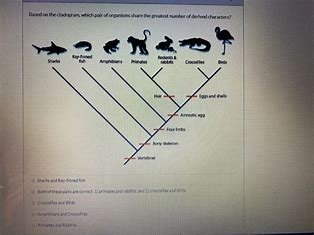
To answer this question, we need to look at the phylogenetic tree of primates and their relatives. A phylogenetic tree is a diagram that represents evolutionary relationships among organisms based on their shared characteristics and DNA sequences. The pattern of branching in a phylogenetic tree reflects how species or other groups evolved from a series of common ancestors.
According to the most recent phylogenetic studies, primates are part of a larger group called Supraprimates or Euarchontoglires, which also includes rodents, rabbits, flying lemurs, and treeshrews. These groups share a common ancestor that lived about 90 million years ago.
The Closest Relatives of Primates: Flying Lemurs and Treeshrews
As you can see from the tree above, the closest relatives of primates are not monkeys or apes, but flying lemurs and treeshrews. These are two small and obscure groups of mammals that live in Southeast Asia.
Flying lemurs are not actually lemurs, nor do they fly. They are also known as colugos, and they have a membrane of skin that allows them to glide from tree to tree. They have large eyes, small ears, and long tongues. They feed on leaves, fruits, flowers, and sap. There are only two living species of flying lemurs: the Sunda colugo and the Philippine colugo.
Treeshrews are not actually shrews, nor do they live exclusively on trees. They are also known as scandentians, and they have long snouts, pointed ears, and bushy tails. They feed on insects, fruits, seeds, and nectar. There are about 20 living species of treeshrews, such as the common treeshrew and the pygmy treeshrew.
Why Are Flying Lemurs and Treeshrews So Closely Related to Primates?
The reason why flying lemurs and treeshrews are so closely related to primates is because they share a more recent common ancestor with them than with any other group of mammals. This common ancestor was probably a small, nocturnal, arboreal animal that lived in the Cretaceous period.
However, this does not mean that flying lemurs and treeshrews are very similar to primates in terms of morphology or behavior. In fact, they have evolved many adaptations that make them different from primates and each other. For example, flying lemurs have developed a gliding membrane that primates lack, while treeshrews have retained a more insectivorous diet than primates.
Therefore, the closest relatives of primates are not necessarily the most similar ones. To determine evolutionary relationships among organisms, we need to look at multiple lines of evidence, such as morphology, genetics, fossils, and biogeography. By doing so, we can discover surprising connections among the diverse forms of life on Earth.
