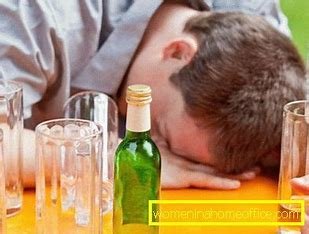
Alcohol intoxication is a condition that occurs when a person consumes more alcohol than their body can metabolize. It can cause various physical and mental impairments, such as slurred speech, poor coordination, confusion, vomiting, and loss of consciousness. In some cases, it can even lead to death.
To avoid the harmful effects of alcohol intoxication, it is important to know how to prevent it and how to sober up fast if you have had too much to drink. In this article, we will debunk some common myths and misconceptions about alcohol intoxication and provide some tips and advice on how to stay safe and healthy.
Contents
Myth: Eating before or while drinking prevents intoxication
One of the most widespread beliefs about alcohol intoxication is that eating before or while drinking can prevent or reduce it. The logic behind this idea is that food can slow down the absorption of alcohol into the bloodstream, thus lowering the blood alcohol concentration (BAC).
However, this is only partially true. While food can delay the peak of alcohol effects, it cannot prevent them altogether. The amount of alcohol that enters the bloodstream depends on several factors, such as the type and strength of the drink, the body weight and gender of the drinker, and the rate of metabolism. Eating food can only delay the onset of intoxication, not prevent it.
According to Verywell Mind, eating before or while drinking can also have some negative consequences. For example, it can make people feel less drunk than they actually are, leading them to drink more and increase their risk of alcohol poisoning. It can also cause stomach upset and nausea, especially if the food is greasy or spicy.
Therefore, eating before or while drinking is not a reliable way to prevent intoxication. The only way to avoid getting drunk is to limit the amount and frequency of alcohol consumption.
Myth: Drinking coffee or taking a cold shower can sober you up
Another common misconception about alcohol intoxication is that drinking coffee or taking a cold shower can help you sober up faster. The rationale behind this idea is that caffeine or cold water can stimulate the nervous system and counteract the sedative effects of alcohol.
However, this is also false. Neither coffee nor cold water can speed up the elimination of alcohol from the body. The liver is responsible for breaking down and removing alcohol from the bloodstream, and it can only do so at a fixed rate. According to Medical News Today, the average person can metabolize about one standard drink (12 grams of pure alcohol) per hour. Drinking coffee or taking a cold shower can only make you feel more alert or awake, but not less intoxicated.
In fact, drinking coffee or taking a cold shower can have some harmful effects on your health. For example, coffee can dehydrate you further and increase your blood pressure. Cold water can lower your body temperature and cause hypothermia. Both can also mask the signs of intoxication and make you overestimate your abilities.
Therefore, drinking coffee or taking a cold shower is not an effective way to sober up. The only way to lower your BAC is to wait for your body to metabolize the alcohol naturally.
Myth: Mixing different types of drinks makes you more intoxicated
Another popular belief about alcohol intoxication is that mixing different types of drinks, such as beer, wine, and liquor, can make you more intoxicated than sticking to one type. The logic behind this idea is that different drinks have different effects on the body and brain, and combining them can enhance or multiply those effects.
However, this is also untrue. The type of drink does not matter as much as the amount and concentration of alcohol in it. What determines your level of intoxication is your BAC, which depends on how much pure alcohol you consume in a given period of time. Mixing different types of drinks does not increase your BAC more than drinking the same amount of one type.
According to Brunet, mixing different types of drinks can have some negative consequences on your health. For example, it can increase your risk of dehydration, nausea, vomiting, headache, and hangover. It can also make it harder for you to keep track of how much you drink and how drunk you are.
Therefore, mixing different types of drinks is not a wise way to drink responsibly. The only way to control your level of intoxication is to monitor your intake and pace yourself.
How to prevent intoxication
The best way to prevent intoxication is to avoid drinking too much alcohol in the first place. Here are some tips on how to do so:
- Know your limits: Be aware of how much alcohol you can handle without getting drunk and stick to it.
- Drink slowly: Sip your drink instead of gulping it down. This gives your body time to process the alcohol and reduces your BAC.
- Alternate with water: Drink a glass of water between each alcoholic drink. This helps you stay hydrated and dilutes the alcohol in your system.
- Avoid drinking games: Drinking games can encourage you to drink more and faster than you normally would. They can also make you lose track of how much you drink and how drunk you are.
- Have a designated driver: If you plan to drink, make sure you have a safe way to get home. Do not drive or ride with someone who has been drinking. Use public transportation, call a taxi, or ask a sober friend to drive you.
How to sober up fast
If you have already consumed too much alcohol and feel intoxicated, there is no quick fix to sober up. However, there are some things you can do to minimize the harm and discomfort caused by intoxication:
- Stop drinking: The first and most important step is to stop drinking any more alcohol. This prevents your BAC from rising further and allows your body to start metabolizing the alcohol already in your system.
- Seek help: If you or someone else shows signs of severe intoxication, such as vomiting, confusion, loss of consciousness, or difficulty breathing, seek medical attention immediately. Call 911 or go to the nearest emergency room. Severe intoxication can be life-threatening and requires urgent treatment.
- Stay safe: If you are intoxicated, do not put yourself or others in danger. Avoid driving, operating machinery, swimming, or engaging in any risky activities. Stay with a sober friend or in a safe place until you sober up.
- Rest: The best way to recover from intoxication is to rest and sleep. This allows your body and brain to heal and restore their normal functions. Make sure you are comfortable and warm, and drink plenty of water to rehydrate yourself.
- Eat something: Eating something light and nutritious can help replenish your energy and nutrients. Avoid foods that are greasy, spicy, or acidic, as they can irritate your stomach and worsen your nausea.
Conclusion
Alcohol intoxication is a serious condition that can have harmful effects on your health and well-being. To prevent it, you need to be aware of the facts and myths about alcohol consumption and follow some simple guidelines on how to drink responsibly. To sober up fast, you need to stop drinking, seek help if needed, stay safe, rest, and eat something. Remember that the only way to avoid intoxication is to not drink alcohol at all or to keep it to a minimum.
