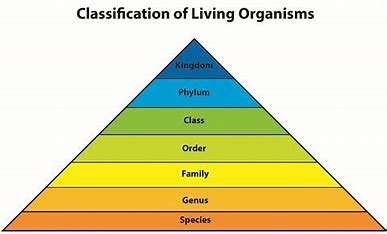
Land plants, or embryophytes, are multicellular organisms that live on land and produce their own food through photosynthesis. They are part of a larger group of organisms called Kingdom Plantae, which also includes some types of algae. But which group of algae is most closely related to land plants? And how did land plants evolve from their aquatic ancestors? In this article, we will explore these questions and learn about the surprising diversity and importance of the green algae that are the evolutionary cousins of land plants.
Contents
The Green Algae: A Paraphyletic Group
Green algae are a diverse group of photosynthetic organisms that share some common features, such as the presence of chlorophyll a and b, the absence of phycobilins (pigments that give red algae their color), and the storage of starch as a carbohydrate reserve. However, green algae are not a monophyletic group, meaning that they do not include all the descendants of a common ancestor. Instead, green algae are paraphyletic, meaning that they exclude some descendants of a common ancestor, namely the land plants.
Green algae can be divided into two major groups: chlorophytes and streptophytes. Chlorophytes are mostly aquatic and include familiar forms such as Chlamydomonas (a unicellular flagellate), Volvox (a colonial flagellate), Ulva (sea lettuce), and Spirogyra (a filamentous alga). Streptophytes include the land plants and their closest green algal relatives, which are mostly freshwater forms. The name streptophyte comes from the presence of a distinctive feature in their cells: a ring-shaped protein complex called the phragmoplast, which guides the formation of the cell plate during cell division.
The Charophytes: The Extant Relatives of Land Plants
The green algal relatives of land plants are collectively called charophytes, which include several orders of freshwater algae such as Charales (stoneworts), Coleochaetales, and Zygnematales (conjugating green algae). Charophytes share some features with land plants that are not found in other green algae, such as oogamy (the differentiation of gametes into nonmotile eggs and motile sperm), plasmodesmata (cytoplasmic connections between adjacent cells), and sporopollenin (a resistant substance that coats the zygote and prevents desiccation).
However, charophytes also differ from land plants in one crucial aspect: they lack a multicellular sporophyte generation in their life cycle. Land plants have a life cycle that alternates between two multicellular phases: a haploid gametophyte that produces gametes by mitosis, and a diploid sporophyte that produces spores by meiosis. This type of life cycle is called alternation of generations or sporic meiosis. Charophytes, on the other hand, have a life cycle that is haplontic or zygotic, meaning that the only diploid stage is the zygote, which undergoes meiosis to produce haploid spores that grow into gametophytes.
The Origin of the Land Plant Sporophyte
The origin of the land plant sporophyte is one of the major evolutionary transitions in the history of life. It is thought that about 450-500 million years ago, an ancestral charophyte colonized the land and gave rise to the first land plants. However, the fossil evidence for this transition is scarce and controversial. The earliest known fossils of land plants are spores and cuticles (waxy layers that cover the plant surface) from the Ordovician period (485-443 million years ago), but these fossils do not provide much information about the morphology or life cycle of their producers.
One possible scenario for the origin of the land plant sporophyte is that it evolved from a zygotic embryo that was retained and nourished by the maternal gametophyte. This scenario is supported by some living charophytes, such as Coleochaete and some Zygnematales, which have zygotes that develop into multicellular structures within or on top of the gametophyte. These structures can be seen as precursors of sporophytes, as they produce spores by meiosis. However, these structures are not fully independent from the gametophyte, as they rely on it for nutrition and protection.
Another possible scenario for the origin of the land plant sporophyte is that it evolved from a multicellular haploid structure that was produced by mitosis after fertilization. This scenario is supported by some living charophytes, such as Chara and some Zygnematales, which have zygotes that divide by mitosis to produce a multicellular structure called the zygospore. The zygospore is dormant and resistant to environmental stress, and it eventually undergoes meiosis to produce spores. However, the zygospore is not a true sporophyte, as it does not produce spores by meiosis directly.
Other Sporophyte Innovations
The evolution of the land plant sporophyte was accompanied by other innovations that enabled the colonization of terrestrial habitats. For example, land plants developed a vascular system of specialized cells that transport water and nutrients throughout the plant body. The vascular system also provides mechanical support and allows the plant to grow taller and compete for light. The earliest known vascular plants are the rhyniophytes, which appeared in the Silurian period (443-419 million years ago) and had simple branching stems with terminal spore-bearing structures called sporangia.
Another innovation of land plants was the development of roots and leaves, which increased the surface area for water and nutrient absorption and photosynthesis. The earliest known roots and leaves are from the Devonian period (419-359 million years ago) and belonged to plants such as Zosterophyllum (a lycophyte) and Cooksonia (a tracheophyte). Roots and leaves also allowed the plant to establish a more stable and complex relationship with the soil, which harbors diverse microorganisms that can enhance or harm the plant’s growth.
Conclusion
Land plants are part of a larger group of organisms called Kingdom Plantae, which also includes some types of algae. The green algae are the closest relatives of land plants, but they are not a monophyletic group. The green algal relatives of land plants are called charophytes, which share some features with land plants but lack a multicellular sporophyte generation. The origin of the land plant sporophyte is one of the major evolutionary transitions in the history of life, but it is poorly understood due to the scarcity and ambiguity of fossil evidence. The evolution of the land plant sporophyte was accompanied by other innovations that enabled the colonization of terrestrial habitats, such as a vascular system, roots, and leaves.
According to Digital Atlas of Ancient Life, charophytes are the extant group of green algae that are most closely related to modern land plants. However, some molecular phylogenetic studies suggest that Zygnematales are most closely related to land plants. Regardless, all of these green algal groups share at least one important difference from the land plants: their life cycles lack a multicellular sporophyte generation.
