Antimetabolites are a class of chemotherapy drugs that interfere with the synthesis of DNA and RNA in cancer cells, preventing them from replicating and growing. They are widely used to treat various types of cancers, such as leukemia, breast cancer, colorectal cancer, and lung cancer. Antimetabolites can be divided into three subtypes based on the molecules they mimic: purine antagonists, pyrimidine antagonists, and folic acid antagonists. Each subtype has a different mechanism of action and a different spectrum of activity against different cancers.
However, the versatility of antimetabolites also comes with some safety considerations that need to be taken into account when using them for cancer treatment. Antimetabolites can cause serious side effects and complications, such as:
Contents
Bone Marrow Suppression
One of the most common and severe side effects of antimetabolites is bone marrow suppression, which is the reduction of blood cells produced by the bone marrow. This can lead to anemia (low red blood cells), neutropenia (low white blood cells), and thrombocytopenia (low platelets). These conditions can increase the risk of infections, bleeding, and fatigue in patients. Therefore, patients receiving antimetabolites need to have their blood counts monitored regularly and may require transfusions or growth factors to support their bone marrow function.
Gastrointestinal Toxicity
Another common side effect of antimetabolites is gastrointestinal toxicity, which is the damage to the lining of the digestive tract. This can cause symptoms such as nausea, vomiting, diarrhea, mouth sores, and loss of appetite. These symptoms can affect the quality of life and nutritional status of patients and may require antiemetics, antidiarrheals, or nutritional supplements to manage them.
Hepatotoxicity
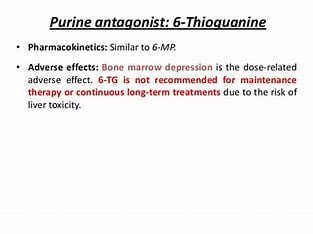
Some antimetabolites can also cause hepatotoxicity, which is the damage to the liver. This can result in elevated liver enzymes, jaundice, or liver failure in some cases. Patients receiving antimetabolites need to have their liver function tests checked regularly and may need to adjust their doses or discontinue their treatment if they develop signs of liver toxicity.
Neurotoxicity
Another potential complication of antimetabolites is neurotoxicity, which is the damage to the nervous system. This can manifest as peripheral neuropathy (numbness, tingling, or pain in the hands and feet), central nervous system toxicity (confusion, seizures, or coma), or ocular toxicity (blurred vision, eye irritation, or blindness). Patients receiving antimetabolites need to report any neurological symptoms to their doctors and may need to undergo neurological examinations or eye exams to detect any problems.
Drug Interactions
Antimetabolites can also interact with other drugs that affect their metabolism or excretion, such as antibiotics, antivirals, antifungals, anticonvulsants, or anticoagulants. These interactions can either increase or decrease the levels of antimetabolites in the body, affecting their efficacy or toxicity. Therefore, patients receiving antimetabolites need to inform their doctors about all the medications they are taking and avoid any unnecessary or over-the-counter drugs that may interfere with their treatment.
Conclusion
Antimetabolites are effective chemotherapy drugs that can treat various types of cancers by interfering with their DNA and RNA synthesis. However, they also have some safety considerations that need to be taken into account when using them for cancer treatment. Antimetabolites can cause serious side effects and complications, such as bone marrow suppression, gastrointestinal toxicity, hepatotoxicity, neurotoxicity, and drug interactions. Therefore, patients receiving antimetabolites need to have regular monitoring and supportive care to prevent or manage these problems and optimize their outcomes.
