Contents
The Life and Legacy of Bill Gunn
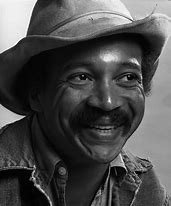
Bill Gunn, born as William Harrison Gunn on July 15, 1934, was an American playwright, novelist, actor, and film director. His 1973 cult classic horror film Ganja and Hess was chosen as one of the ten best American films of the decade at the Cannes Film Festival, 1973. Gunn’s drama Johnnas won an Emmy Award in 1972. A native of Philadelphia, Gunn wrote more than 29 plays during his lifetime. He also authored two novels and wrote several produced screenplays. He was also an advocate and friend of filmmaker and writer Kathleen Collins, playing a role in her film Losing Ground.
The Final Days: Bill Gunn’s Cause of Death
Bill Gunn died at the age of 54 from encephalitis at a Nyack, New York hospital. This happened the day before his play The Forbidden City opened at the Public Theater in New York City. According to Gagosian Quarterly, he died of encephalitis and AIDS-related complications. He lived to see neither the acclaimed restorations of his work nor the audiences flocking to see Collins’s Losing Ground, not to mention his own Ganja & Hess and his and Ishmael Reed’s Personal Problems.
The Aftermath: Remembering Bill Gunn
Despite his untimely death, Bill Gunn’s legacy continues to inspire and influence the world of arts and cinema. In 2021, an exhibition entitled “Till They Listen: Bill Gunn Directs America”, dedicated to the work and legacy of Bill Gunn, was shown at the New York gallery Artists Space. The program series was organized by Gunn’s artistic collaborators and scholars including, Hilton Als, Jake Perlin, Sam Waymon, Nicholas Forster, Awoye Timpo, Chiz Schultz, and Ishmael Reed. In the same year, Timpo adapted Gunn’s play Black Picture Show for film in the form of a staged reading.
Bill Gunn’s cause of death may have been tragic, but his life and work continue to resonate in the hearts of many. His contributions to the world of arts and cinema will forever be remembered and celebrated.
