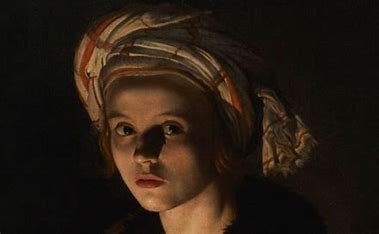
If you are a fan of art history, you might have heard of the term tenebroso, which means “dark” or “gloomy” in Italian. But what exactly is the tenebroso technique and how is it related to another artistic technique called chiaroscuro? In this article, we will explore the origins, characteristics, and examples of these two techniques that have shaped the history of painting.
What is the Tenebroso Technique?
The tenebroso technique is a style of painting that uses very pronounced chiaroscuro, or contrast between light and dark, to create a dramatic and emotional effect. The technique was developed in the 17th century by Italian painters who were influenced by Caravaggio, one of the most famous masters of tenebroso. Caravaggio and his followers used a harsh and realistic light to isolate their figures and highlight their expressions, gestures, and actions. The backgrounds were often dark and obscure, creating a sense of mystery and tension. The tenebroso technique was especially suited for religious and historical scenes that required a strong narrative and emotional impact.
Some of the most notable examples of tenebroso paintings are:
- The Calling of Saint Matthew by Caravaggio: This painting depicts the moment when Jesus calls Matthew to follow him. The scene is set in a dark tavern, where a beam of light illuminates the figures of Jesus and Matthew. The contrast between the light and the dark emphasizes the spiritual significance of the event and the contrast between the worldly and the divine.
- Judith Beheading Holofernes by Artemisia Gentileschi: This painting portrays the biblical story of Judith, who decapitates the enemy general Holofernes. The scene is gruesome and violent, with blood spilling from the severed head. The light focuses on Judith’s face, which shows determination and courage, while Holofernes’ face is hidden in the shadows, symbolizing his defeat and death.
- The Martyrdom of Saint Bartholomew by Jusepe de Ribera: This painting shows the torture and execution of Saint Bartholomew, who was skinned alive for his faith. The scene is horrific and realistic, with details of the flesh, blood, and bones. The light falls on the saint’s body, which expresses his agony and faith, while the executioner’s face is darkened, representing his cruelty and ignorance.
What is Chiaroscuro?
Chiaroscuro is a broader term that refers to any technique that uses light and shadow to create depth and volume in painting. The term comes from the Italian words chiaro (light) and scuro (dark). Chiaroscuro can be used to achieve different effects, such as realism, illusionism, or drama. Chiaroscuro can be applied to different types of paintings, such as portraits, landscapes, or still lifes.
Chiaroscuro has a long history in art, dating back to ancient times. However, it was during the Renaissance that chiaroscuro reached its peak of development. Artists such as Leonardo da Vinci experimented with chiaroscuro to create subtle gradations of light and dark that enhanced the naturalism and expressiveness of their paintings. Leonardo also invented a technique called sfumato, which means “smoky” in Italian. Sfumato is a way of blending colors and edges to create a soft and atmospheric effect.
Some of the most famous examples of chiaroscuro paintings are:
- Mona Lisa by Leonardo da Vinci: This painting is one of the most iconic examples of sfumato. Leonardo used chiaroscuro to create a realistic and mysterious portrait of a woman whose smile has fascinated generations. The light softly illuminates her face, while the background is darkened and blurred.
- Girl with a Pearl Earring by Johannes Vermeer: This painting is a masterpiece of Dutch Golden Age painting. Vermeer used chiaroscuro to create a striking contrast between the girl’s face and her dark clothing. The light also highlights her pearl earring, which adds a touch of elegance and mystery.
- The Night Watch by Rembrandt van Rijn: This painting is a group portrait of a militia company in Amsterdam. Rembrandt used chiaroscuro to create a sense of depth and movement in the composition. The light focuses on the main figures, who are dressed in bright colors, while the rest of the scene is dimmed and shadowed.
How are Tenebroso and Chiaroscuro Related?
Tenebroso and chiaroscuro are both techniques that use light and shadow to create different effects in painting. However, they are not exactly the same thing. Tenebroso is a specific type of chiaroscuro that uses extreme contrast between light and dark to create drama and emotion. Chiaroscuro is a more general term that can be used for different styles and purposes.
Tenebroso and chiaroscuro are also related historically. Tenebroso emerged during the Baroque period, which was a reaction to the Renaissance. The Baroque artists wanted to create more dynamic and expressive paintings that appealed to the senses and emotions of the viewers. They used tenebroso to achieve this goal, as well as other techniques such as foreshortening, perspective, and movement. Chiaroscuro was also used by Baroque artists, but in a more varied and nuanced way.
Tenebroso and chiaroscuro are both important techniques that have influenced the history of art. They show how light and shadow can be used to create different effects and meanings in painting. They also demonstrate the diversity and creativity of artistic expression.
