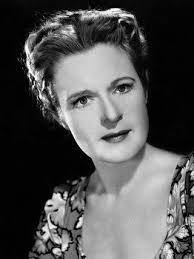
Selena Royle was a talented and popular actress of stage, radio, television and film in the 1940s. She was known for her warm, kind and sincere portrayals of maternal characters, such as the mother of The Fighting Sullivans, A Date with Judy and Joan of Arc. She also contributed to the war effort by organizing the Stage Door Canteen, a Broadway institution that entertained and served free meals to servicemen passing through New York. However, her career and life were cut short by the McCarthy-era witch hunt, which accused her of being a Communist sympathizer. She died of natural causes in Mexico in 1983, at the age of 78.
Contents
Early Life and Career
Selena Royle was born in New York City on November 6, 1904, to playwright Edwin Milton Royle and actress Selena Fetter. She had an older sister, Josephine Fetter Royle. Her parents were opposed to her pursuing a theatrical career, but she was determined to follow in their footsteps. She made her debut in a play that her father had written, Lancelot and Elaine, in the role of Guinevere, when she was 17. She quickly rose to prominence on Broadway, appearing in plays such as Peer Gynt, She Stoops to Conquer, Paradise and Napoleon. She also ventured into films, but her first attempt, Misleading Lady, was a flop.
She found more success on radio, where she starred in popular serials such as Hilda Hope, M.D., Woman of Courage, The O’Neills and Betty and Bob. She also wrote for radio and became the radio editor of the short-lived New York periodical Swank.
Hollywood Stardom and War Effort
In the early 1940s, Royle returned to films and signed a contract with MGM. She became a familiar and beloved face in well-made dramas and comedies, playing the role of the wise, caring and self-sacrificing mother. Some of her notable films include Mrs. Parkington, The Harvey Girls, Courage of Lassie, Night and Day and The Bishop’s Wife. She also made several appearances on early television.
Royle was also a patriotic and humanitarian woman, who devoted much of her time and energy to the war effort. She was one of the founders and organizers of the Stage Door Canteen, which provided entertainment and free meals to millions of servicemen passing through New York during World War II. She also played herself in the film version of Stage Door Canteen, which was nominated for an Academy Award for Best Picture.
Blacklisting and Exile
Royle’s career and reputation came to an abrupt halt in 1951, when she was named as a Communist sympathizer in the infamous Red Channels, a publication that listed alleged subversives in the entertainment industry. She refused to testify before the House Un-American Activities Committee, which was investigating Communist infiltration in Hollywood. She sued the American Legion, which had published Red Channels, and won, but the damage was already done. She was blacklisted by the studios and the networks, and her work opportunities dried up. She made only two more films, The Girl in White and Murder Is My Beat, before retiring from acting.
She moved to Mexico with her second husband, actor Georges Renavent, who had also been blacklisted. They settled in Guadalajara, where they converted their home into an artistic salon, which welcomed painters, writers and composers. Royle also wrote several books, including a memoir, a travel guide and a couple of cookbooks. She also wrote some magazine articles, mostly about Mexican culture and cuisine.
Selena Royle Cause of Death
Royle died of natural causes in Guadalajara on April 23, 1983, at the age of 78. She was survived by her husband, who died in 1987, and her sister, who died in 1992. She was cremated and her ashes were scattered in Mexico.
Royle was a talented and versatile actress, who brought warmth, grace and dignity to her roles. She was also a generous and compassionate woman, who gave much of herself to the war effort and to the artistic community. She was a victim of the McCarthy-era hysteria, which unjustly ruined her career and forced her into exile. She deserves to be remembered and honored for her contributions to the entertainment industry and to society.
