Have you ever wondered who is responsible for examining the bodies of people who die unexpectedly or suspiciously? Who are the experts who can tell how, when, and why someone died? The answer is forensic pathologists, a type of professional who determines a person’s cause of death.
What is Forensic Pathology?
Forensic pathology is a branch of medicine that deals with the investigation of deaths that are not due to natural causes. Forensic pathologists are specially trained doctors who perform autopsies, which are post-mortem examinations of the body, to find out the cause and manner of death. They also collect and analyze evidence from the body, such as blood, fluids, tissues, organs, and wounds, to help solve criminal cases or identify unknown victims.
What Does a Forensic Pathologist Do?
A forensic pathologist’s main duty is to conduct autopsies, which usually involve the following steps:
– External examination: The forensic pathologist inspects the body for any signs of injury, disease, or abnormality. They also document the physical characteristics of the body, such as height, weight, age, sex, race, and hair and eye color.
– Internal examination: The forensic pathologist makes an incision in the body and examines the internal organs, such as the heart, lungs, liver, kidneys, brain, and stomach. They look for any evidence of trauma, infection, poisoning, or disease that may have caused or contributed to the death. They also take samples of fluids and tissues for further testing.
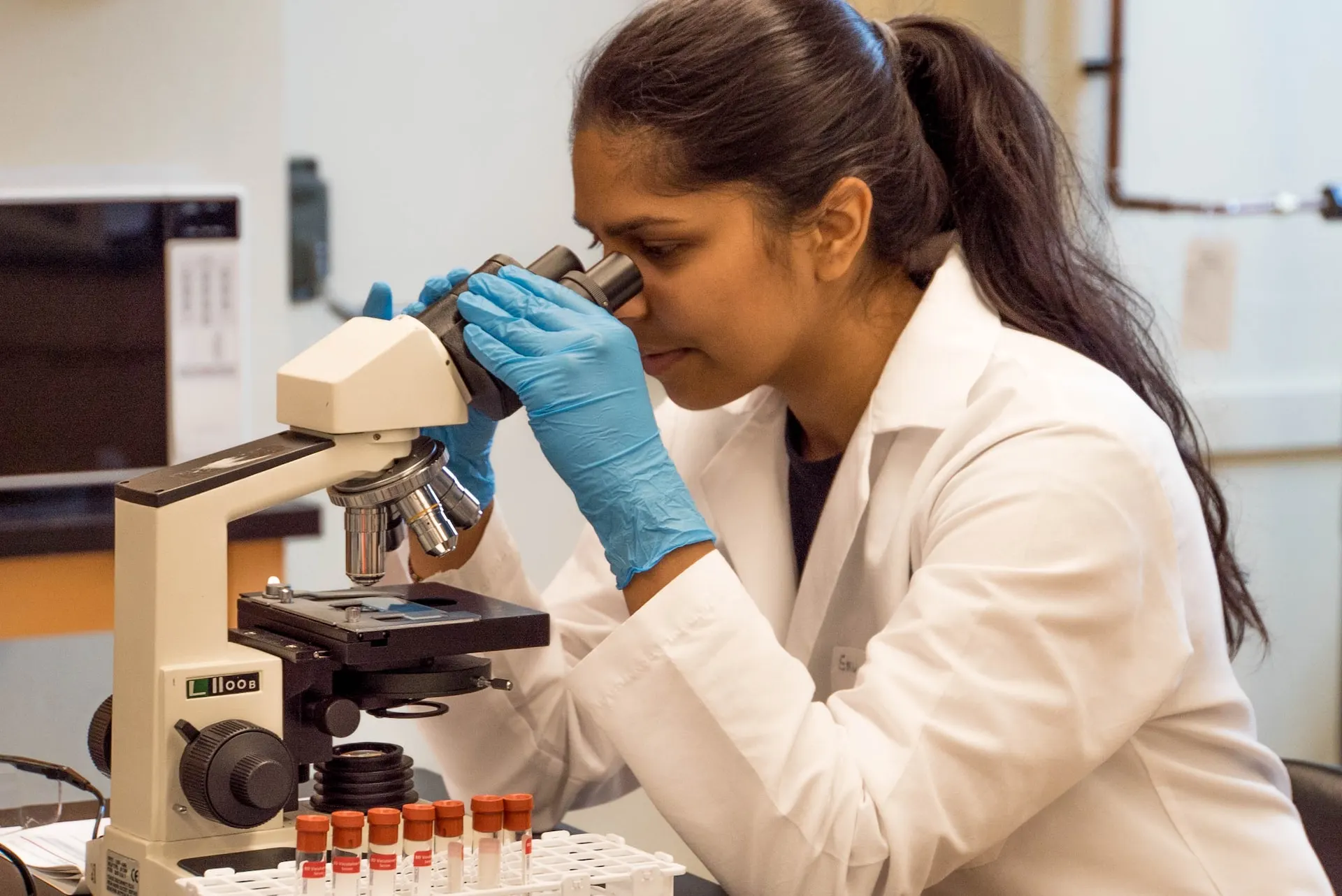
– Laboratory tests: The forensic pathologist sends the samples to a laboratory, where they are analyzed for the presence of drugs, toxins, bacteria, viruses, or other substances that may have affected the body. They may also use techniques such as DNA analysis, toxicology, histology, microbiology, and serology to obtain more information.
– Report writing: The forensic pathologist writes a detailed report that summarizes the findings of the autopsy and states the cause and manner of death. The cause of death is the medical reason for the death, such as a gunshot wound, a heart attack, or a drug overdose. The manner of death is the way the death occurred, such as homicide, suicide, accident, or natural. The report may also include other relevant information, such as the time of death, the identity of the deceased, and the circumstances of the death.
How to Become a Forensic Pathologist?
To become a forensic pathologist, one must complete the following education and training requirements:
– Bachelor’s degree: A four-year undergraduate degree in a science-related field, such as biology, chemistry, or physics, is required to enter medical school.
– Medical degree: A four-year graduate degree in medicine, such as a Doctor of Medicine (MD) or a Doctor of Osteopathic Medicine (DO), is required to become a licensed physician.
– Residency: A four- to five-year residency program in anatomic and clinical pathology, which is the study of diseases and their effects on the body, is required to gain practical experience and skills in pathology.
– Fellowship: A one- to two-year fellowship program in forensic pathology, which is the application of pathology to legal matters, is required to specialize in forensic pathology and prepare for board certification.
– Board certification: A written and oral examination by the American Board of Pathology (ABP) or the American Osteopathic Board of Pathology (AOBP) is required to demonstrate competency and expertise in forensic pathology.
Why is Forensic Pathology Important?
Forensic pathology is important for many reasons, such as:
– Justice: Forensic pathology helps to provide justice for the victims and their families by identifying the perpetrators and holding them accountable for their crimes. It also helps to exonerate the innocent and prevent wrongful convictions.
– Public health: Forensic pathology helps to protect public health by detecting and preventing outbreaks of infectious diseases, such as COVID-19, that may cause death. It also helps to monitor and reduce the impact of chronic diseases, such as heart disease and cancer, that may cause death.
– Research: Forensic pathology helps to advance scientific knowledge and medical practice by discovering new facts and insights about the human body and its diseases. It also helps to improve the quality and accuracy of death investigations and autopsies.
Conclusion
Forensic pathology is a fascinating and challenging field that combines medicine, science, and law. Forensic pathologists are professionals who determine a person’s cause of death by performing autopsies and analyzing evidence from the body. They play a vital role in providing justice, public health, and research. If you are interested in becoming a forensic pathologist, you will need to complete a long and rigorous education and training process, but you will also enjoy a rewarding and meaningful career.
I hope this article meets your expectations. Please let me know if you have any feedback or questions. 😊
