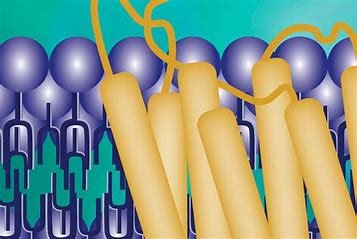
Cell signaling is the process by which cells communicate with each other and with their environment. Cells use chemical signals, such as hormones, neurotransmitters, and cytokines, to send and receive messages that regulate their behavior, function, and survival. Cell signaling is essential for many biological processes, such as growth, development, differentiation, metabolism, immunity, and adaptation.
But cell signaling is not only important for the functioning of individual cells and organisms. It also provides evidence to justify the claim that all life is related. How? By showing that cells share common features and mechanisms that are inherited from a common ancestor. In this article, we will explore some of the cellular evidence of common ancestry and how it supports the theory of evolution.
Contents
DNA, RNA, and the Genetic Code
One of the most fundamental and universal features of all living cells is the presence of DNA and RNA. DNA is the molecule that stores genetic information, while RNA is the molecule that transfers and translates genetic information. Both DNA and RNA are composed of nucleotides, which are arranged in a specific sequence that encodes the instructions for making proteins.
Proteins are the molecules that perform most of the functions in cells, such as catalyzing reactions, transporting substances, signaling pathways, and forming structures. Proteins are made of amino acids, which are linked together by peptide bonds. The sequence of amino acids in a protein is determined by the sequence of nucleotides in the corresponding gene.
But how do cells know which amino acid corresponds to which nucleotide sequence? The answer is the genetic code. The genetic code is a set of rules that specifies how nucleotides are translated into amino acids. The genetic code is based on codons, which are groups of three nucleotides that each code for one amino acid. For example, the codon AUG codes for the amino acid methionine, while the codon UAA codes for a stop signal that terminates protein synthesis.
The remarkable thing about the genetic code is that it is nearly universal among all living organisms. This means that the same codon usually codes for the same amino acid in different species. For instance, AUG codes for methionine in bacteria, plants, animals, fungi, and archaea. There are only a few minor variations in some organisms, such as some mitochondrial genomes and some protozoans.
The near universality of the genetic code suggests that it evolved very early in the history of life and was inherited by all subsequent life forms. The genetic code is so essential and complex that it is unlikely to have evolved independently in different lineages. Therefore, it provides strong evidence of common ancestry among all living organisms.
Glycolysis and Other Metabolic Pathways
Another common feature of all living cells is their ability to perform metabolic reactions. Metabolism is the process by which cells convert nutrients into energy and building blocks for biosynthesis. Metabolism involves many different pathways, which are sequences of chemical reactions that are catalyzed by enzymes.
One of the most ancient and widespread metabolic pathways is glycolysis. Glycolysis is the process by which glucose, a simple sugar, is broken down into pyruvate, a three-carbon compound. Glycolysis produces two molecules of ATP (adenosine triphosphate), which is the main energy currency of cells. Glycolysis also produces two molecules of NADH (nicotinamide adenine dinucleotide), which is an electron carrier that can be used for further energy production.
Glycolysis is found in almost all living organisms, from bacteria to humans. It can occur in both aerobic (oxygen-requiring) and anaerobic (oxygen-independent) conditions. It can also serve as a starting point for other metabolic pathways, such as fermentation, respiration, gluconeogenesis, and pentose phosphate pathway.
The ubiquity and versatility of glycolysis indicate that it evolved very early in the history of life and was inherited by all subsequent life forms. Glycolysis is so essential and efficient that it is unlikely to have evolved independently in different lineages. Therefore, it provides strong evidence of common ancestry among all living organisms.
Membranes and Organelles
A third common feature of all living cells is their organization into membranes and organelles. Membranes are thin layers of lipids and proteins that separate the inside of a cell from its outside environment. Membranes also form compartments within cells that have specialized functions and conditions.
Organelles are membrane-bound structures within cells that perform specific tasks. For example, mitochondria are organelles that produce energy by respiration; chloroplasts are organelles that produce sugar by photosynthesis; ribosomes are organelles that synthesize proteins; lysosomes are organelles that digest waste; and nuclei are organelles that store DNA.
Membranes and organelles are found in almost all living organisms, but they vary in complexity and diversity among different domains of life. Bacteria and archaea are prokaryotes, which means that they lack a nucleus and other membrane-bound organelles. Their DNA is free-floating in the cytoplasm, and their membranes are relatively simple. Eukaryotes, on the other hand, are organisms that have a nucleus and other membrane-bound organelles. Their DNA is organized into chromosomes, and their membranes are more complex and diverse.
The differences between prokaryotes and eukaryotes suggest that they diverged from a common ancestor very early in the history of life. However, the similarities between prokaryotes and eukaryotes suggest that they also share some common features that were inherited from their common ancestor. For instance, both prokaryotes and eukaryotes have plasma membranes that regulate the passage of substances in and out of cells; both prokaryotes and eukaryotes have ribosomes that synthesize proteins; and both prokaryotes and eukaryotes have DNA and RNA that store and transfer genetic information.
Moreover, some organelles in eukaryotes are thought to have originated from endosymbiosis, which is the process by which one organism lives inside another organism and forms a mutually beneficial relationship. For example, mitochondria and chloroplasts are believed to have evolved from ancient bacteria that were engulfed by ancestral eukaryotic cells. These bacteria then became integrated into the host cells and provided them with energy. This hypothesis is supported by the fact that mitochondria and chloroplasts have their own DNA, ribosomes, and membranes that resemble those of bacteria.
The similarities and differences between membranes and organelles among different domains of life reflect their evolutionary history and relationships. They provide evidence of common ancestry among all living organisms, as well as evidence of divergence and adaptation among different lineages.
Conclusion
Cell signaling is the process by which cells communicate with each other and with their environment. Cell signaling is essential for many biological processes, such as growth, development, differentiation, metabolism, immunity, and adaptation.
But cell signaling is not only important for the functioning of individual cells and organisms. It also provides evidence to justify the claim that all life is related. By showing that cells share common features and mechanisms that are inherited from a common ancestor, cell signaling supports the theory of evolution.
Some of the cellular evidence of common ancestry include:
- DNA, RNA, and the genetic code: These molecules store, transfer, and translate genetic information in all living organisms. The near universality of the genetic code suggests that it evolved very early in the history of life and was inherited by all subsequent life forms.
- Glycolysis and other metabolic pathways: These processes convert nutrients into energy and building blocks for biosynthesis in all living organisms. The ubiquity and versatility of glycolysis indicate that it evolved very early in the history of life and was inherited by all subsequent life forms.
- Membranes and organelles: These structures separate and organize cells into compartments with specialized functions and conditions. The similarities and differences between membranes and organelles among different domains of life reflect their evolutionary history and relationships.
These are just some examples of how cell signaling proves that all life is related. There are many more examples of cellular evidence of common ancestry that can be explored by further research. By studying cell signaling, we can learn more about the origin, diversity, and unity of life on Earth.
