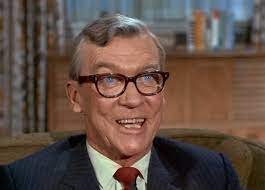
Dan Tobin was an American actor who appeared in many stage, film and television productions from the late 1930s to the early 1970s. He was known for his roles as gentle, urbane, sometimes fussy and shifty characters, often with a hidden edge of malice. He died in 1982 at the age of 72 after a long illness. In this article, we will explore his life, career and legacy, as well as the cause of his death.
Contents
Early Life and Education
Dan Tobin was born as Daniel Malloy Tobin on October 19, 1910 in Cincinnati, Ohio. He attended the University of Cincinnati, where he studied drama and literature. He developed an interest in acting and joined a touring troupe in England. He made his stage debut in 1939 in the play Ah, Wilderness! at the Strand Theatre in London. He impressed an impresario who gave him a role in the comedy Behind Your Back, which ran for six months.
Film and Television Career
Tobin moved to Hollywood in the early 1940s and began his film career with small parts in movies such as Woman of the Year (1942), Undercurrent (1946) and The Bachelor and the Bobby-Soxer (1947). He often played supporting roles as secretaries, lawyers, reporters, professors and other professionals. He worked with some of the most famous stars and directors of the time, such as Katharine Hepburn, Spencer Tracy, Cary Grant, Orson Welles, John Huston and Alfred Hitchcock.
Tobin also appeared in many television shows, especially in the 1950s and 1960s. He was a regular on sitcoms such as I Married Joan, My Favorite Husband, Mr. Adams and Eve and Where Were You? He also guest-starred on dramas such as Perry Mason, The Twilight Zone, The Fugitive and The Man from U.N.C.L.E. He was known for his versatility and ability to play different types of characters, from comedic to sinister.
One of his most memorable roles was as the lead scientist in Orson Welles’s innovative and experimental television pilot, The Fountain of Youth, which was filmed in 1956 and aired in 1958 as part of the Colgate Theatre. The pilot was based on a short story by John Collier and used various techniques such as narration, flashbacks, animation and split screens to tell the story of a love triangle involving a youth serum. The pilot won a Peabody Award but was not picked up as a series.
Personal Life and Death
Tobin married Jean Holloway, a film and television screenwriter, in 1951. They met on the set of the film The First Hundred Years, which Holloway wrote and Tobin acted in. They remained married until Tobin’s death in 1982. They had no children.
Tobin suffered from a long illness in his later years, which affected his ability to work. He retired from acting in the early 1970s and his last film role was in The Other Side of the Wind, a project by Orson Welles that was unfinished until 2018. Tobin died on November 26, 1982 at Saint John’s Hospital in Santa Monica, California. He was 72 years old. The cause of his death was not publicly disclosed, but it was likely related to his illness. He was survived by his wife, who died in 1998.
Legacy and Influence
Dan Tobin was a talented and versatile character actor who left a mark on the stage, film and television industry. He worked with some of the most influential and acclaimed artists of his time and contributed to many memorable and innovative productions. He was praised for his subtle and nuanced performances, his comedic timing and his ability to switch from light-hearted to dark roles. He was also a respected and well-liked person in the show business community.
Tobin’s work has been recognized and appreciated by critics and fans alike. He has been featured in several books and documentaries about the history of cinema and television. He has also been honored with a star on the Hollywood Walk of Fame, which was dedicated in 2004. His films and shows are still available on various platforms and continue to entertain and inspire new generations of viewers.
Dan Tobin was a remarkable actor who left behind a rich and diverse body of work. He was a true professional who dedicated his life to his craft and his passion. He was a man of many talents and many faces, who could make us laugh, cry, think and feel. He was a man who lived and died with grace and dignity. He was a man who deserves to be remembered and celebrated.
