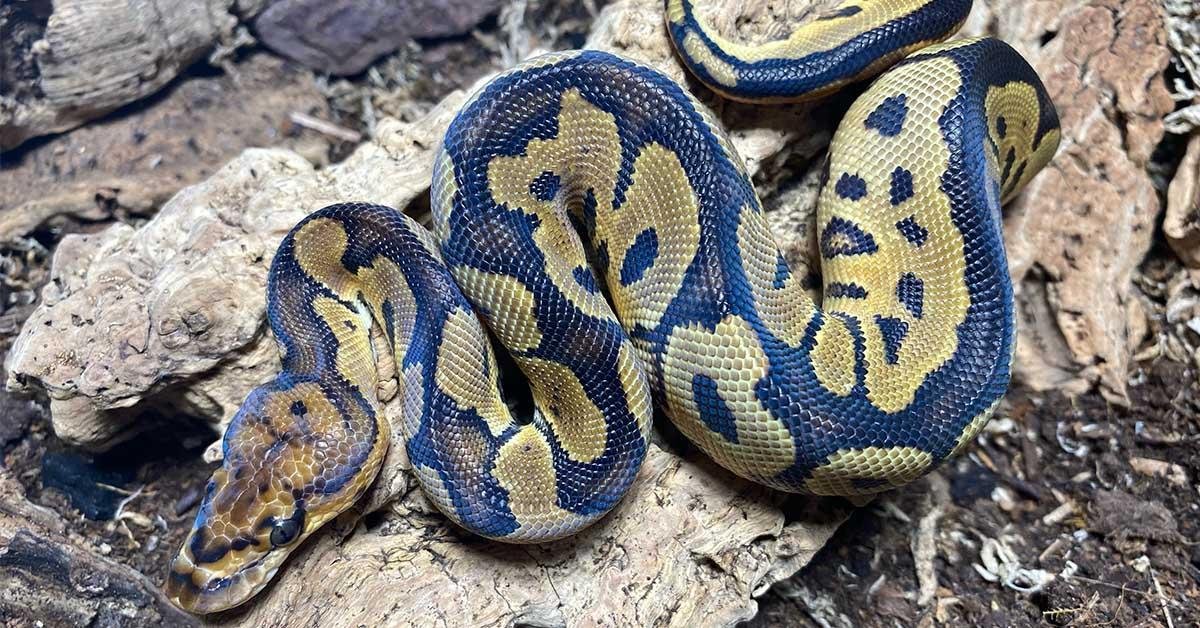
Bringing a pet snake into your home is a challenging task. It requires careful consideration of their diet, temperature requirements, and a proper atmosphere. Going after ball python morphs with little to no understanding of these things may create some troubles for you.
That’s why we’ve assembled this guide to take this burden off your shoulders. It will help you take care of the most important things when you honor your home with an adorable ball python. So, let’s dive into the details without any further ado.
Contents
Getting Started with Pet Snakes
Balls pythons or royal pythons are your low-maintenance, legless friends, but they have specific requirements regarding their diet and habitat. Keep the following things in mind to have a general overview of ball pythons:
Selecting a Ball Python Morph
Selecting a ball python morph is an important step for first-time snake owners. Ball pythons are known for their docile and calm nature. However, various ball python morphs are available in stores. A “morph” is a genetic variation that affects the snake’s appearance. Some of the most appealing and common ball python morphs are given below:
- Albino
- Piebald
- Ghost
- Banana
- Pastel
- Scaleless
- Spider
Habitat Setup
Ball pythons can grow to a maximum of 60 inches long. So, you need to set up a spacious glass terrarium or a large plastic tub. The enclosure size should be as such to allow the ball python to grow and reach its maximum size.
The next step is setting up the substrate in the tank. ball pythons tend to burrow themselves or hide behind branches while in captivity. Provide your pet with the luxury of feeling at home by adding wood sheddings, aspen bedding, or cypress mulch. You can also provide it with extra hiding spots by placing artificial branches and small rocks.
Temperature and Humidity
Ball pythons require external heat to regulate their body temperatures. The correct balance of water, air, and soil temperature in the enclosure is necessary to maintain the metabolism and thermoregulation of snakes.
During the day, ball pythons require 84 °F temperature, while they prefer slightly colder temperatures at night, i.e., 74 °F. Heating pads or heating lamps can be used in the tank to maintain temperature. You can place a water bowl or damp sphagnum moss in the tank to maintain humidity. The ideal humidity level ball pythons require is almost 60%.
Feeding Routine
Maintaining a proper diet plan for your pets is crucial. However, ball pythons do not require that hassle and eat once every 1-2 weeks. They also do not need fancy meals from pet specialty stores. Mice or rats would perfectly fit their dinner time.
Most ball pythons eat live rodents, but some prefer frozen ones. If you’re feeding a frozen rodent to your snake, make sure to thaw it before feeding.
Wrapping Up
Keeping a ball python can be a rewarding and unique experience for snake enthusiasts. Start by selecting a suitable species, create a comfortable habitat, and provide the necessary care. If you’re drawn to the captivating world of ball python morphs, you’ll find many beautiful options to explore.