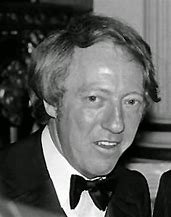
Robert Stigwood was one of the most influential figures in the entertainment industry, managing legendary rock bands, producing hit musicals and films, and creating a media empire. He died on January 4, 2016, at the age of 81, leaving behind a legacy of music and cinema that shaped the culture of the 20th century. But what was the cause of his death, and how did he live his final years?
A Life of Success and Excess
Robert Stigwood was born in Adelaide, Australia, in 1934. He moved to Britain in 1955, where he started his career as a theatrical agent and a record producer. He signed up emerging talents such as John Leyton, Mike Sarne, and Mike Berry, and collaborated with the innovative producer Joe Meek. He also became the booking agent for the Who, and launched his own record label, Reaction.
In 1967, he joined forces with Brian Epstein, the manager of the Beatles, and took over the management of two of Epstein’s acts: Cream and the Bee Gees. He helped both groups achieve international fame and success, and became one of the most powerful managers in the music business. He also expanded his interests to theatre, producing acclaimed musicals such as Hair, Jesus Christ Superstar, Evita, and Cats.
In the 1970s, he ventured into film production, creating some of the most iconic movies of the decade. He produced Saturday Night Fever (1977), starring John Travolta and featuring the Bee Gees’ soundtrack, which became a cultural phenomenon and sparked the disco craze. He followed it with Grease (1978), another musical blockbuster that paired Travolta with Olivia Newton-John. He also produced other films such as Tommy (1975), based on the Who’s rock opera, Sgt. Pepper’s Lonely Hearts Club Band (1978), inspired by the Beatles’ album, and Fame (1980), a musical drama about aspiring performers.
Stigwood lived a life of extravagance and indulgence, enjoying the fruits of his success. He owned lavish properties around the world, including a mansion in Bermuda and a yacht in the Mediterranean. He was known for his lavish parties, where he entertained celebrities and royalty. He was also a gambler and a risk-taker, who sometimes faced financial difficulties due to his ventures.
A Private and Quiet Retirement
Stigwood was openly gay, but he never married or had children. He was close to his godson Spencer Gibb, the son of Robin Gibb of the Bee Gees. He also had a long-term partner named John Harman, who died in 1991.
In his later years, Stigwood withdrew from the public eye and lived a more private and quiet life. He sold most of his assets and moved to a secluded estate in Surrey, England. He rarely gave interviews or attended events, preferring to stay away from the spotlight.
According to The Guardian, he suffered from dementia in his final years. His death was announced by Spencer Gibb on Facebook on January 5, 2016. No official cause of death was given, but it was reported that he died peacefully at his home.
A Lasting Legacy
Robert Stigwood left behind a remarkable legacy of music and film that influenced generations of artists and audiences. His artists sold millions of records and won numerous awards. His musicals were performed around the world and won critical acclaim. His films were box-office hits and became classics of cinema history.
He was praised by his peers and colleagues as a visionary and a genius who had an instinct for talent and trends. He was also remembered as a generous and loyal friend who supported his artists and collaborators.
He was honored with several awards and recognitions for his contributions to the entertainment industry. He was inducted into the Rock and Roll Hall of Fame in 1999 as a non-performer. He received an honorary doctorate from Southampton Solent University in 2007. He was also awarded the Commander of the Order of the British Empire (CBE) in 2012 for his services to music.
Robert Stigwood cause of death may not be known to the public, but his life and work are well-known and celebrated by millions of fans around the world. He was a pioneer and a legend who left an indelible mark on the history of music and film.
