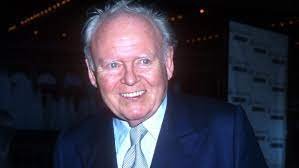
Nancy Fields O’Connor, the widow of the legendary actor Carroll O’Connor, best known for his role as Archie Bunker in the sitcom “All in the Family”, passed away on November 10, 2014 at the age of 84. She died of complications from Alzheimer’s disease, a progressive and irreversible brain disorder that affects memory, thinking and behavior. In this article, we will explore the life and legacy of Nancy Fields O’Connor, as well as the symptoms and treatments of Alzheimer’s disease.
Contents
A Life of Art and Activism
Nancy Fields O’Connor was born on December 13, 1929 in Spokane, Washington. She met her future husband in 1951, when both were undergraduates at the University of Montana at Missoula and involved with the Drama and Fine Arts Department production of “Life With Father”. They married later that year in Ireland. Nancy Fields O’Connor was an artist, author, activist, humanitarian, philanthropist and documentary film producer in her own right. She executive produced the 2007 documentary “Anita O’Day: The Life of a Jazz Singer”, which chronicled the career and struggles of the jazz vocalist. She was also a founding member of the John Wayne Cancer Institute and received, with her husband, the Institute’s Duke Award in 1990 for “their outstanding support for cancer research” [Yahoo].
Nancy Fields O’Connor was instrumental in every aspect of her husband’s career, convincing him to take on the role of Archie Bunker in “All in the Family” despite his reservations. Carroll O’Connor once said: “I turned down the role of Archie Bunker twice until Nancy finally said ‘Now listen here, Carroll, this is the role of a lifetime!’” [TheWrap]. The show became a hit and a cultural phenomenon, tackling controversial issues such as racism, sexism, homosexuality and abortion. Carroll O’Connor won four Emmy Awards for his portrayal of the lovable bigot. He died in 2001 from a heart attack.
Nancy Fields O’Connor is survived by daughter-in-law Angela O’Connor; grandson Sean O’Connor; brother and sister-in-law John and Jo Ann Fields; cousin Mary Reynolds and eleven nieces and nephews. A Roman Catholic funeral service was held on November 22, 2014 at Our Lady of Malibu Church, Malibu, CA [Legacy].
What is Alzheimer’s Disease?
Alzheimer’s disease is the most common cause of dementia, a general term for a decline in mental abilities that interferes with daily life. According to the Alzheimer’s Association, more than 6 million Americans are living with Alzheimer’s disease, and it is the sixth-leading cause of death in the United States. Alzheimer’s disease is not a normal part of aging. It is caused by abnormal deposits of protein called amyloid plaques and twisted fibers called tau tangles that damage and destroy brain cells. The exact causes of Alzheimer’s disease are not fully understood, but some risk factors include age, family history, genetics and lifestyle.
The symptoms of Alzheimer’s disease vary from person to person, but they usually start with mild memory loss and difficulty performing familiar tasks. As the disease progresses, other symptoms may include confusion, disorientation, mood and behavior changes, trouble speaking and writing, hallucinations, delusions and paranoia. In the final stage of Alzheimer’s disease, people lose their ability to communicate, recognize their loved ones and care for themselves.
There is no cure for Alzheimer’s disease, but there are treatments that can help manage some of the symptoms and improve the quality of life for people with Alzheimer’s disease and their caregivers. These treatments include medications that can temporarily improve memory and thinking skills or reduce agitation and aggression; non-drug therapies that can stimulate cognitive function or provide emotional support; and care strategies that can help people with Alzheimer’s disease cope with daily challenges and maintain their dignity [Alzheimer’s Association].
How to Support People with Alzheimer’s Disease
Alzheimer’s disease is not only devastating for the person who has it, but also for their family members and friends who have to witness their decline and loss of identity. Caring for someone with Alzheimer’s disease can be physically, emotionally and financially draining. However, there are ways to support people with Alzheimer’s disease and their caregivers that can make a difference.
Some of these ways include:
- Educating yourself about Alzheimer’s disease and its stages
- Being patient and compassionate with the person with Alzheimer’s disease
- Communicating clearly and respectfully with the person with Alzheimer’s disease
- Engaging the person with Alzheimer’s disease in meaningful activities that suit their abilities
- Providing practical assistance such as helping with household chores or personal care
- Offering emotional support such as listening or sharing memories
- Joining a support group or seeking professional help if needed
- Taking care of your own health and well-being [Alzheimer’s Association]
Nancy Fields O’Connor was a remarkable woman who lived a life of art and activism. She was a loving wife, mother, grandmother and friend who supported her husband’s career and contributed to many causes. She died of complications from Alzheimer’s disease, a cruel and incurable condition that affects millions of people around the world. By learning more about Alzheimer’s disease and how to support people with Alzheimer’s disease and their caregivers, we can honor her memory and help others who are facing this challenge.
