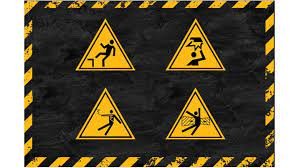
The construction industry is one of the most dangerous sectors to work in, accounting for nearly 20% of all workplace fatalities in the U.S. in 2021. The majority of these deaths are caused by four hazards that OSHA calls “The Fatal Four”: falls, struck-by-object, electrocutions, and caught-in or -between. These hazards are preventable by following safety standards and best practices. In this article, we will explain what the Fatal Four are, how they can be avoided, and what to do in case of an emergency.
Falls
Falls are the number one cause of death in the construction industry, responsible for 37% of fatalities in 2021. Falls can occur from roofs, ladders, scaffolds, stairs, floor openings, and other elevated surfaces. Some of the factors that contribute to fall hazards are:
- Lack of fall protection equipment or improper use of it
- Slippery, uneven, or unstable surfaces
- Unprotected edges or openings
- Poor visibility or lighting
- Human error or negligence
To prevent falls, workers should:
- Use appropriate fall protection systems, such as guardrails, safety nets, personal fall arrest systems, or fall restraint systems, depending on the type and height of the work
- Inspect and maintain fall protection equipment regularly and follow the manufacturer’s instructions
- Wear proper footwear and clothing that do not interfere with movement or balance
- Keep the work area clean and free of debris, tools, or materials that could cause tripping or slipping
- Avoid working near power lines, overhead wires, or other electrical sources that could cause shocks or burns
- Report any unsafe conditions or practices to the supervisor or employer
Struck-by-Object
Struck-by-object is the second leading cause of death in the construction industry, accounting for 11% of fatalities in 2021. Struck-by-object injuries occur when workers are hit by flying, falling, swinging, or rolling objects, such as tools, materials, equipment, vehicles, or debris. Some of the factors that contribute to struck-by-object hazards are:
- Improper loading, securing, or handling of materials or equipment
- Failure to wear hard hats or other protective gear
- Lack of communication or coordination among workers
- Working under or near cranes, hoists, or other lifting devices
- Working in windy or stormy conditions
To prevent struck-by-object injuries, workers should:
- Wear hard hats, safety glasses, gloves, and other appropriate personal protective equipment (PPE)
- Stay alert and aware of their surroundings and the activities of other workers
- Use signs, barricades, flags, or spotters to warn and control traffic in the work zone
- Secure or store tools, materials, or equipment that are not in use or that could fall or roll
- Follow safe procedures for loading, unloading, transporting, or storing materials or equipment
- Avoid working under or near suspended loads or moving equipment
Electrocutions
Electrocutions are the third leading cause of death in the construction industry, responsible for 8-9% of fatalities in 2021. Electrocutions occur when workers come into contact with live wires, outlets, circuits, or equipment that are energized or not properly grounded. Some of the factors that contribute to electrocution hazards are:
- Exposed or damaged wiring or cords
- Wet or damp conditions near electrical sources
- Contact with overhead power lines or underground cables
- Use of defective or incompatible tools or equipment
- Lack of training or knowledge of electrical safety
To prevent electrocutions, workers should:
- De-energize or lockout/tagout all electrical sources before working on or near them
- Use ground-fault circuit interrupters (GFCIs) or double-insulated tools or equipment
- Inspect and test all electrical tools or equipment before use and repair or replace any damaged or defective ones
- Wear rubber gloves, boots, and other insulated PPE when working with electricity
- Maintain a safe distance from overhead power lines or underground cables and mark their locations
- Follow the OSHA electrical standards and the National Electrical Code (NEC)
Caught-in or -Between
Caught-in or -between is the fourth leading cause of death in the construction industry, accounting for 5-6% of fatalities in 2021. Caught-in or -between injuries occur when workers are crushed, pinched, or compressed by machines, devices, tools, materials, or structures, such as excavators, conveyors, trenches, or walls. Some of the factors that contribute to caught-in or -between hazards are:
- Lack of machine guarding or interlocks
- Failure to follow lockout/tagout procedures
- Working in confined spaces or narrow openings
- Working near moving or rotating parts or equipment
- Collapse of structures or materials
To prevent caught-in or -between injuries, workers should:
- Use machine guards, interlocks, or covers to prevent contact with moving or rotating parts or equipment
- Follow lockout/tagout procedures to ensure that machines or equipment are de-energized or isolated before servicing or repairing them
- Use proper shoring, sloping, or shielding systems to prevent cave-ins or collapses in trenches or excavations
- Wear snug-fitting clothing and avoid wearing jewelry, loose hair, or other items that could get caught in machines or equipment
- Avoid placing any part of their body in the line of fire or pinch points of machines or equipment
Conclusion
The Fatal Four are the most common causes of death in the construction industry, but they are not inevitable. By following safety standards and best practices, workers can reduce the risk of these hazards and protect themselves and their co-workers from harm. In case of an emergency, workers should call 911, report the incident to the supervisor or employer, and provide first aid or CPR if trained and qualified. Remember, safety is everyone’s responsibility and a matter of life and death.
