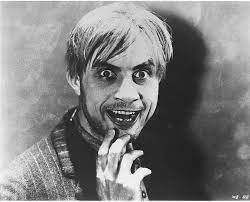
Dwight Frye was a versatile and talented actor who starred in some of the most iconic horror movies of the 1930s. He is best known for his portrayals of neurotic, murderous villains such as Renfield in Dracula and Fritz in Frankenstein. However, his promising career was cut short by a tragic and unexpected death that shocked his fans and colleagues. In this article, we will explore how Dwight Frye’s cause of death affected his legacy and what he could have achieved if he had lived longer.
Contents
Dwight Frye’s Early Life and Career
Dwight Iliff Frye was born on February 22, 1899, in Salina, Kansas. He was a musical prodigy who first appeared as a concert pianist. He then moved to the stage, where he excelled in various genres, from comedies to dramas. He made his Broadway debut in 1922 and worked with renowned producer-director Brock Pemberton for several years. He also appeared in some minor roles in silent films, but his breakthrough came with the advent of sound.
Dwight Frye’s Horror Movie Roles
In 1931, Dwight Frye was cast as Renfield, the lunatic servant of Count Dracula, in Tod Browning’s adaptation of Bram Stoker’s novel. His performance was widely praised for its intensity and creepiness. He delivered memorable lines such as “The master is coming” and “The blood is the life” with a manic gleam in his eyes. He also ate flies and spiders on screen, adding to his character’s grotesqueness.
Later that same year, he played Fritz, the hunchbacked assistant of Dr. Frankenstein, in James Whale’s adaptation of Mary Shelley’s novel. He was equally impressive as the sadistic and deformed helper who tormented the monster and provoked its wrath. He also uttered the famous line “It’s alive! It’s alive!” when the creature came to life.
Dwight Frye became a horror movie star and a fan favorite. He appeared in several other classic films of the genre, such as The Invisible Man, The Vampire Bat, Bride of Frankenstein, The Ghost of Frankenstein, and Frankenstein Meets the Wolf Man. He often played similar characters: mentally unstable, devious, or sinister. He was nicknamed “The Man with the Thousand-Watt Stare” and “The Man of a Thousand Deaths” for his expressive eyes and frequent on-screen demises.
Dwight Frye’s Typecasting and Frustration
Despite his success in horror movies, Dwight Frye was unhappy with his career. He felt that he was being typecast and limited by the industry. He wanted to show his versatility and range as an actor, but he was rarely offered roles that challenged him or allowed him to display his comedic or dramatic skills. He often had his parts severely cut or deleted altogether by the studio executives or the censors.
He tried to return to the stage whenever he could, where he enjoyed more artistic freedom and recognition. He starred in comedies, musicals, and thrillers such as Night Must Fall and a stage version of Dracula. He also worked as a tool designer for Lockheed Aircraft during World War II, contributing to the war effort.
He hoped to revive his film career with a substantial role in Wilson, a biopic of President Woodrow Wilson directed by Henry King. He bore a striking resemblance to Newton Baker, the Secretary of War under Wilson, whom he was supposed to portray. However, fate had other plans for him.
Dwight Frye’s Cause of Death and Legacy
On November 7, 1943, Dwight Frye died of a heart attack at the age of 44 while traveling by bus in Hollywood. He had concealed his heart condition from his friends and family, who were devastated by his sudden passing. He left behind his wife Laura Mae Bullivant and his son Dwight David Frye.
He was buried at Forest Lawn Memorial Park in Glendale, California. His role in Wilson was recast with Sidney Blackmer.
Dwight Frye’s cause of death robbed him of the opportunity to reinvent himself as an actor and to achieve greater fame and recognition. However, his horror movie roles have ensured that he will never be forgotten by the fans of the genre. He has been immortalized in books, documentaries, songs, comics, and memorabilia. He has also inspired generations of actors who have followed in his footsteps.
Dwight Frye was a unique and unforgettable performer who brought life to some of the most memorable characters in cinema history. His legacy lives on through his films and through the admiration of those who appreciate his talent and passion.
