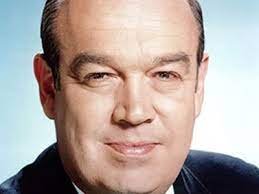
Charles Kuralt was a legendary American journalist who captivated millions of viewers with his heartwarming stories of ordinary people and places. He was best known for his “On the Road” segments on The CBS Evening News with Walter Cronkite, and later as the first anchor of CBS News Sunday Morning. He was also a prolific author, writing several books based on his travels and experiences.
But behind his cheerful and charming persona, Kuralt was hiding a secret that would only be revealed after his death: he had been suffering from a rare and incurable disease that eventually claimed his life.
Contents
What is Systemic Lupus Erythematosus?
Systemic lupus erythematosus, or SLE, is an autoimmune disease that causes the body’s immune system to attack its own tissues and organs. It can affect any part of the body, but most commonly affects the skin, joints, blood vessels, kidneys, brain, heart, and lungs. The symptoms vary widely depending on the organs involved, but may include fatigue, fever, rash, joint pain, chest pain, shortness of breath, headaches, seizures, and memory loss.
The exact cause of SLE is unknown, but it is believed to be influenced by genetic, environmental, and hormonal factors. It is more common in women than in men, and in people of African, Asian, Hispanic, or Native American descent. There is no cure for SLE, but treatments can help manage the symptoms and prevent complications. Some of the treatments include anti-inflammatory drugs, steroids, immunosuppressants, antimalarials, and biologics.
How Did Kuralt Get SLE?
It is not clear when or how Kuralt developed SLE. According to his family spokesperson Shirley Lentz, he had been diagnosed with the disease only a few months before his death. However, some of his friends and colleagues suspected that he had been suffering from it for much longer.
One of them was Bob Schieffer, a fellow CBS journalist who had worked with Kuralt for many years. He recalled that Kuralt had often complained of feeling tired and unwell during their trips together. He also noticed that Kuralt had developed a butterfly-shaped rash on his face, which is a common sign of SLE.
Another one was Bill Geist, a correspondent for CBS News Sunday Morning who had followed Kuralt’s footsteps in traveling across America. He said that Kuralt had confided in him about his illness shortly before he retired from CBS in 1994. He also said that Kuralt had told him that he had been taking medication for SLE for some time.
How Did SLE Affect Kuralt’s Life and Career?
Despite his illness, Kuralt continued to pursue his passion for journalism and storytelling until the end of his life. He retired from CBS News Sunday Morning in 1994 after 15 years as its anchor. He then spent “a perfect year” revisiting his favorite places in America, which he documented in his final book Charles Kuralt’s America (1995).
However, his health deteriorated rapidly in 1997. He suffered from several complications related to SLE, such as kidney failure, lung infection, and heart problems. He underwent dialysis and surgery to treat his condition, but they were not enough to save him.
He died on July 4th, 1997 at the age of 62 at New York Hospital-Cornell Medical Center. His death was announced by Dan Rather on The CBS Evening News with Dan Rather. His funeral was held at St. Bartholomew’s Episcopal Church in New York City. He was buried at Old Chapel Hill Cemetery in Chapel Hill, North Carolina.
How Did Kuralt’s Death Impact His Legacy?
Kuralt’s death shocked and saddened millions of Americans who had grown to love him through his television programs and books. He was widely praised as one of the most influential and respected journalists of his time. He was also remembered as a kind and generous person who cared deeply about people and their stories.
His legacy lives on through his work and through the awards and honors that bear his name. Some of them include:
- The Charles Kuralt Award for Excellence in Journalism from the University of North Carolina at Chapel Hill
- The Charles Kuralt Learning Center at the University of North Carolina at Chapel Hill
- The Charles Kuralt Trail in North Carolina
- The Charles Kuralt Society at St. Bartholomew’s Episcopal Church
- The Charles Kuralt Collection at the Southern Historical Collection at the University of North Carolina at Chapel Hill
Charles Kuralt was a remarkable man who touched the lives of many with his words and deeds. He left behind a legacy of excellence, compassion, and curiosity that will inspire generations to come. He was truly a national treasure who died of a mysterious disease.
