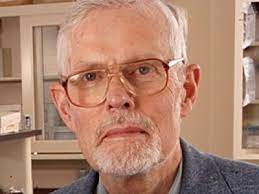
Fred Clark was a popular American character actor who appeared in dozens of films and television shows, often playing authoritative or grumpy roles. He was best known for his comedy work, especially as the neighbor Harry Morton on The George Burns and Gracie Allen Show. But what was the cause of his death, and how did he impact the entertainment industry? Here is a brief overview of his life and legacy.
Contents
Early Years and Military Service
Fred Clark was born on March 19, 1914, in Lincoln, California, the son of a county agriculture commissioner. He attended Stanford University with plans to become a doctor, but changed his major to drama after participating in a college play. He received a scholarship to the American Academy of Dramatic Arts, where he was elected the most promising actor of his class.
Clark made his Broadway debut in 1938, appearing in several plays before his career was interrupted by World War II. He served as a Navy pilot in 1942, but later transferred to the Army and spent nearly two years with the Third Army in Europe.
Film and Television Career
Clark returned to acting after the war and made his film debut in 1947 in The Unsuspected, directed by Michael Curtiz. He quickly established himself as a versatile character actor, capable of playing villains, authority figures, or comic foils. Some of his notable films include Ride the Pink Horse (1948), Mr. Peabody and the Mermaid (1948), Flamingo Road (1949), White Heat (1949), Sunset Boulevard (1950), A Place in the Sun (1951), How to Marry a Millionaire (1953), The Court-Martial of Billy Mitchell (1955), Daddy Long Legs (1955), Auntie Mame (1958), and Visit to a Small Planet (1960).
Clark also had a successful television career, appearing in many popular shows such as The Twilight Zone, The Beverly Hillbillies, Going My Way, The Addams Family, and I Dream of Jeannie. His most famous role was as Harry Morton, the neighbor and realtor of George Burns and Gracie Allen on their sitcom. Clark joined the cast in 1951 and stayed until 1953, creating a memorable character with his sour expression and slow-burn reactions. He was paired with Bea Benaderet as his wife Blanche, and they formed a perfect comic duo with Burns and Allen.
Clark continued to work in films and television until the late 1960s, often playing humorous or eccentric roles. He also returned to Broadway several times, starring in plays such as Romanoff and Juliet (1957), Viva Madison Avenue! (1960), and Absence of a Cello (1964).
Personal Life and Death
Clark was married twice in his life. His first wife was actress Benay Venuta, whom he met while performing on stage in Light Up the Sky (1950). They married in 1952 and divorced in 1962. His second wife was model Gloria Glaser, whom he married in 1966.
Clark died on December 5, 1968, at the age of 54, from liver disease. He passed away at a hospital in Santa Monica, California. His death was mourned by his fans and colleagues, who remembered him as one of the finest comic actors of his generation.
Legacy and Influence
Fred Clark left behind a rich legacy of film and television work that showcases his talent and versatility as an actor. He was able to play a wide range of characters, from serious to silly, with ease and conviction. He had a distinctive voice, appearance, and style that made him stand out from other actors. He was also praised for his timing, delivery, and chemistry with his co-stars.
Clark influenced many other actors who admired his skill and humor. Some of them include Jack Lemmon, Gene Wilder, Steve Martin, Billy Crystal, Robin Williams, Jim Carrey, and Will Ferrell. Clark’s performances have also been referenced or parodied by various shows and movies over the years.
Fred Clark remains one of the most beloved and respected character actors in Hollywood history. His work continues to entertain and inspire audiences around the world.
