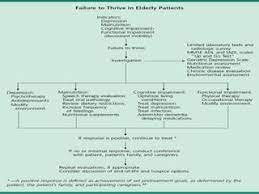
Failure to thrive (FTT) is a term that describes a state of decline in older adults that can lead to increased risk of death. FTT is not a disease or a disorder, but a syndrome that involves multiple factors such as chronic diseases, functional impairments, malnutrition, depression, and cognitive decline. FTT can affect the quality of life and the health outcomes of elderly people, and it is important to recognize its signs and symptoms, as well as its possible causes and solutions.
Contents
What are the Signs and Symptoms of FTT?
According to the American Family Physician, FTT is characterized by four main symptoms:
- Impaired physical function: This refers to the loss of ability to perform activities of daily living (ADLs), such as bathing, dressing, eating, toileting, and transferring. Impaired physical function can also affect mobility, balance, strength, and endurance.
- Malnutrition: This refers to the inadequate intake or absorption of nutrients, resulting in weight loss, muscle wasting, poor wound healing, and increased susceptibility to infections. Malnutrition can be caused by various factors, such as decreased appetite, dental problems, swallowing difficulties, medication side effects, and social isolation.
- Depression: This refers to the persistent feeling of sadness, hopelessness, guilt, or worthlessness that affects the mood, interest, and motivation of elderly people. Depression can also affect sleep, appetite, energy, concentration, and memory. Depression can be triggered by life events, such as loss of loved ones, retirement, or chronic illness.
- Cognitive impairment: This refers to the decline in mental abilities, such as memory, reasoning, judgment, and problem-solving. Cognitive impairment can range from mild cognitive impairment (MCI) to dementia. Cognitive impairment can be caused by various conditions, such as Alzheimer’s disease, stroke, Parkinson’s disease, or delirium.
What are the Possible Causes of FTT?
FTT can have multiple and complex causes that vary from person to person. Some of the possible causes are:
- Chronic diseases: Many chronic diseases can affect the physical and mental health of elderly people, such as cancer, lung disease, heart disease, diabetes, kidney disease, liver disease, arthritis, osteoporosis, and chronic pain. Chronic diseases can also cause complications and comorbidities that worsen the condition of FTT.
- Medication side effects: Many medications can have adverse effects on the appetite, digestion, metabolism, hydration, mood, cognition, and function of elderly people. Some examples are anticholinergics (e.g., antihistamines), opioids (e.g., morphine), benzodiazepines (e.g., diazepam), antidepressants (e.g., fluoxetine), antipsychotics (e.g., haloperidol), and steroids (e.g., prednisone).
- Socioenvironmental factors: Many factors related to the social and environmental context of elderly people can affect their FTT status. Some examples are poverty, lack of social support, loneliness, abuse, neglect, inadequate housing, poor access to health care, and lack of transportation.
What are the Possible Solutions for FTT?
FTT is a serious condition that requires a comprehensive and multidisciplinary approach to address its causes and consequences. Some of the possible solutions are:
- Medical evaluation and treatment: A thorough medical evaluation by a physician is essential to diagnose FTT and its underlying causes. The physician may order laboratory tests, imaging studies, and other diagnostic procedures to rule out or confirm certain conditions. The physician may also prescribe or adjust medications, treat infections, manage pain, and address other medical issues that may contribute to FTT.
- Nutritional assessment and intervention: A nutritional assessment by a registered dietitian (RD) is crucial to identify malnutrition and its causes in elderly people with FTT. The RD may use various tools to screen for malnutrition, such as the Mini Nutritional Assessment Short Form. The RD may also provide nutritional interventions, such as dietary counseling, oral supplements, enteral feeding, or parenteral nutrition. The goal of nutritional interventions is to provide adequate energy and protein intake, prevent or correct micronutrient deficiencies, and improve the nutritional status and outcomes of elderly people with FTT.
- Psychological assessment and intervention: A psychological assessment by a psychologist or a psychiatrist is important to detect depression and other mental disorders in elderly people with FTT. The psychologist or psychiatrist may use various tools to assess depression, such as the Geriatric Depression Scale or the Cornell Scale for Depression in Dementia. The psychologist or psychiatrist may also provide psychological interventions, such as psychotherapy, cognitive-behavioral therapy, interpersonal therapy, or pharmacotherapy. The goal of psychological interventions is to improve the mood, interest, and motivation of elderly people with FTT, and to reduce their distress and suffering.
- Functional assessment and intervention: A functional assessment by an occupational therapist (OT) or a physical therapist (PT) is vital to evaluate the physical function and the ability to perform ADLs in elderly people with FTT. The OT or PT may use various tools to measure function, such as the Barthel Index or the Functional Independence Measure The OT or PT may also provide functional interventions, such as exercise training, balance training, gait training, assistive devices, environmental modifications, or home care services. The goal of functional interventions is to maintain or improve the mobility, balance, strength, and endurance of elderly people with FTT, and to enhance their independence and quality of life.
Conclusion
Failure to thrive is a complex and multifaceted syndrome that affects many elderly people and increases their risk of death. FTT is characterized by impaired physical function, malnutrition, depression, and cognitive impairment. FTT can have multiple and varied causes, such as chronic diseases, medication side effects, and socioenvironmental factors. FTT requires a comprehensive and multidisciplinary approach to address its causes and consequences. FTT can be prevented or treated by medical, nutritional, psychological, and functional interventions that aim to improve the health and well-being of elderly people.
