Contents
Introduction
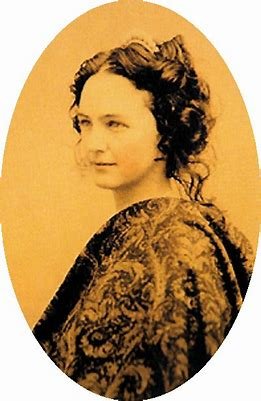
Elizabeth Bacon Custer, also known as Libbie, was the wife of General George Armstrong Custer, who died at the Battle of Little Bighorn in 1876. She spent the rest of her life defending his reputation and promoting his heroism through her books and lectures. She died in 1933, four days before her 91st birthday, of natural causes. This article will explore her life story, her achievements, and her impact on American history and culture.
Early Years and Marriage
Elizabeth Bacon was born in 1842 in Monroe, Michigan, to a wealthy and influential family. She was the only child of Judge Daniel Bacon and Eleanor Sophia Page Bacon, who both died when she was young. She was educated at a girls’ seminary and graduated at the top of her class in 1862. She met George Custer, then a captain in the Union Army, in the same year and fell in love with him despite her father’s disapproval. They eloped and married in 1864, and she followed him to his various military posts during the Civil War and the Indian Wars. She was devoted to him and shared his adventurous spirit and passion for the frontier.
Widowhood and Writing Career
After Custer’s death at Little Bighorn, Libbie was left nearly destitute and faced criticism and blame for her husband’s defeat. She decided to dedicate her life to preserving and honoring his memory and legacy. She wrote three books about their experiences in the West: Boots and Saddles (1885), Tenting on the Plains (1887), and Following the Guidon (1890). She also gave public lectures and interviews, and collaborated with other writers and biographers who portrayed Custer in a favorable light. She became a popular and influential figure in American society and culture, and helped shape the image of Custer as a gallant and patriotic hero.
Later Years and Death
Libbie never remarried and remained loyal to her husband until her death. She traveled around the world and lived in various places, including New York City, where she died in 1933. She left an estate valued at more than $100,000 and donated some of her belongings and papers to museums and libraries. She was buried next to her husband at West Point. She is remembered as a remarkable woman who overcame tragedy and adversity, and who made a lasting contribution to American history and literature.
Conclusion
Elizabeth Bacon Custer was more than just the wife of a famous general. She was a talented and courageous writer, speaker, and advocate, who devoted her life to defending and celebrating her husband’s legacy. She also gave a unique and personal perspective on the life and times of the American West. Her cause of death was natural, but her legacy lives on.
