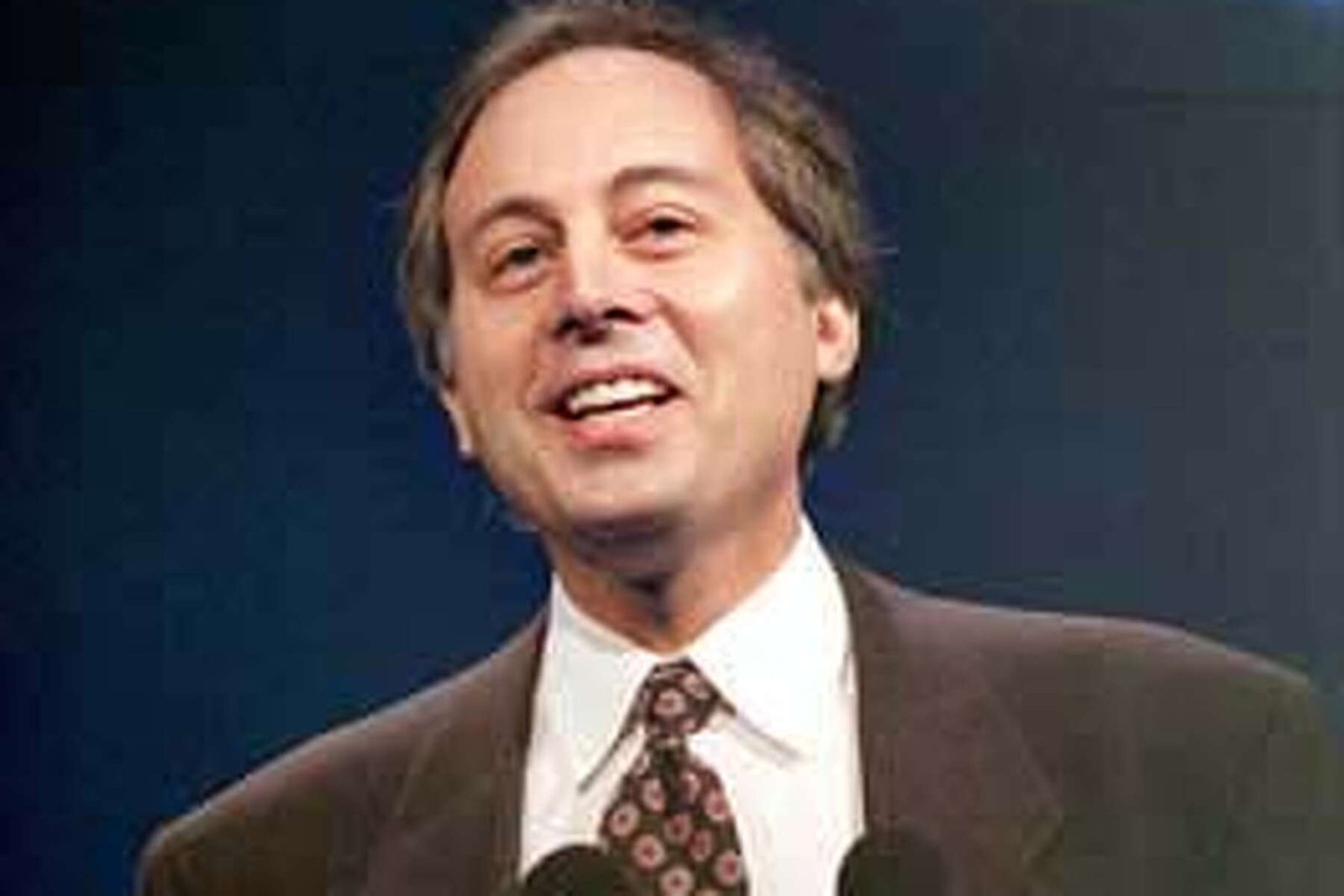
Brandon Tartikoff was one of the most influential and successful television executives in history. He was the president of NBC Entertainment from 1981 to 1991, and he transformed the network from a ratings disaster to a powerhouse of quality and popular shows. He was also a visionary who helped create and launch some of the most iconic and enduring series of all time, such as The Cosby Show, Cheers, Seinfeld, Hill Street Blues, L.A. Law, and many more. He was widely respected and admired by his peers, colleagues, and fans for his creativity, charisma, and courage. But behind his remarkable achievements and bright smile, he was fighting a personal and private war with a deadly disease: Hodgkin’s lymphoma.
What is Hodgkin’s Lymphoma?
Hodgkin’s lymphoma, also known as Hodgkin’s disease, is a type of cancer that affects the lymphatic system, which is part of the immune system. The lymphatic system consists of a network of vessels, nodes, and organs that carry lymph, a clear fluid that contains white blood cells, throughout the body. Lymph helps fight infections and diseases. Hodgkin’s lymphoma occurs when some of the white blood cells, called lymphocytes, become abnormal and grow out of control. These abnormal lymphocytes can form tumors in the lymph nodes or other parts of the body, and interfere with the normal function of the immune system.
The exact cause of Hodgkin’s lymphoma is unknown, but some factors that may increase the risk of developing it include:
- Age: Hodgkin’s lymphoma is most common in young adults (ages 15 to 40) and older adults (over 55).
- Gender: Hodgkin’s lymphoma is slightly more common in men than in women.
- Family history: Having a close relative who had Hodgkin’s lymphoma may increase the risk of developing it.
- Infection: Exposure to certain viruses, such as the Epstein-Barr virus (which causes mononucleosis) or the human immunodeficiency virus (HIV), may increase the risk of developing Hodgkin’s lymphoma.
- Immune system problems: Having a weakened immune system due to certain diseases, medications, or treatments may increase the risk of developing Hodgkin’s lymphoma.
The symptoms of Hodgkin’s lymphoma may vary depending on the stage and location of the disease, but some of the common signs and symptoms include:
- Swollen lymph nodes in the neck, armpit, or groin
- Fever, chills, night sweats, or weight loss
- Fatigue, weakness, or loss of appetite
- Cough, chest pain, or trouble breathing
- Itchy skin or rash
- Increased sensitivity to alcohol or pain in the lymph nodes after drinking alcohol
The diagnosis of Hodgkin’s lymphoma is based on a physical examination, blood tests, imaging tests, and a biopsy of the affected lymph node or tissue. The biopsy is the only way to confirm the presence of the abnormal lymphocytes and to determine the type and subtype of Hodgkin’s lymphoma. There are two main types of Hodgkin’s lymphoma: classical and nodular lymphocyte-predominant. Each type has different subtypes that have different characteristics and prognoses.
The treatment of Hodgkin’s lymphoma depends on the type, subtype, stage, and extent of the disease, as well as the age, health, and preferences of the patient. The main treatment options for Hodgkin’s lymphoma are:
- Chemotherapy: The use of drugs to kill or stop the growth of cancer cells. Chemotherapy can be given orally, intravenously, or through a port or catheter. Chemotherapy can be given alone or in combination with other treatments, such as radiation therapy or immunotherapy.
- Radiation therapy: The use of high-energy rays or particles to destroy or damage cancer cells. Radiation therapy can be given externally, using a machine that directs the radiation to the affected area, or internally, using radioactive substances that are placed inside the body near the tumor. Radiation therapy can be given alone or in combination with other treatments, such as chemotherapy or immunotherapy.
- Immunotherapy: The use of substances that stimulate or enhance the immune system’s ability to fight cancer. Immunotherapy can be given as injections, infusions, or pills. Immunotherapy can be given alone or in combination with other treatments, such as chemotherapy or radiation therapy.
- Stem cell transplant: The replacement of diseased or damaged bone marrow with healthy stem cells. Stem cells are immature blood cells that can develop into different types of blood cells, such as red blood cells, white blood cells, and platelets. Stem cell transplant can be done using the patient’s own stem cells (autologous) or stem cells from a donor (allogeneic). Stem cell transplant can be given after high-dose chemotherapy or radiation therapy to restore the bone marrow function and the immune system.
The prognosis of Hodgkin’s lymphoma depends on several factors, such as the type, subtype, stage, and extent of the disease, the response to treatment, and the overall health of the patient. In general, Hodgkin’s lymphoma is considered one of the most curable forms of cancer, with a five-year survival rate of about 86%. However, some patients may experience relapse, recurrence, or complications from the disease or the treatment, such as infection, bleeding, infertility, secondary cancers, or long-term effects on the heart, lungs, thyroid, or other organs.
How Brandon Tartikoff Faced His Disease
Brandon Tartikoff was first diagnosed with Hodgkin’s lymphoma when he was 23 years old, shortly after he joined ABC as a program executive. He underwent chemotherapy and radiation therapy, and went into remission. He did not let his disease stop him from pursuing his career and his passion for television. He moved to NBC in 1977, and became the president of NBC Entertainment in 1981. He was responsible for reviving the network’s fortunes and reputation with a series of innovative and groundbreaking shows that appealed to both critics and audiences. He also developed a close and loyal relationship with many of the producers, writers, actors, and comedians who worked with him, such as Steven Bochco, Dick Wolf, Jerry Seinfeld, Bill Cosby, Michael J. Fox, and Eddie Murphy.
Tartikoff’s disease returned in 1982, and he had to undergo another round of chemotherapy and radiation therapy. He continued to work and lead NBC, but he also became more aware of his mortality and his legacy. He started to write a memoir, titled The Last Great Ride, which was published in 1992. He also became more involved in philanthropic and humanitarian causes, such as the Make-A-Wish Foundation, the Starlight Children’s Foundation, and the Pediatric AIDS Foundation. He also established the Brandon Tartikoff Legacy Award, which honors television professionals who have made a significant and lasting contribution to the industry.
In 1991, Tartikoff left NBC and became the chairman of Paramount Pictures. He hoped to repeat his success in the film industry, but he faced some challenges and disappointments. He also had to deal with a personal tragedy, when his daughter, Calla, was severely injured in a car accident that also killed his friend and driver. He decided to leave Paramount in 1992, and moved with his family to New Orleans, where his daughter was receiving therapy. He later became the head of New World Entertainment, and ran his own production company, H. Beale. He also joined America Online as a consultant for its entertainment offerings.
Tartikoff’s disease came back for the third time in 1996, and he had to undergo more chemotherapy and a stem cell transplant. He remained optimistic and hopeful, but he also prepared for the worst. He wrote a letter to his wife, Lilly, and his two children, Calla and William, expressing his love and gratitude for them. He also wrote a farewell letter to his friends and colleagues in the television industry, thanking them for their support and friendship. He died on August 27, 1997, at UCLA Medical Center, surrounded by his family. He was 48 years old.
Tartikoff’s death was mourned by many people who knew him, worked with him, or admired him. He was praised for his vision, talent, courage, and generosity. He was remembered as a legend, a genius, a mentor, and a friend. He was also honored with several awards and tributes, such as the Peabody Award, the Television Hall of Fame, the Hollywood Walk of Fame, and the Brandon Tartikoff Campus of the Jewish Federation of Greater Los Angeles. His legacy lives on in the shows he created, the people he inspired, and the lives he touched.
Conclusion
Brandon Tartikoff was a remarkable man who made a remarkable impact on the television industry and the world. He was a leader, a creator, a innovator, and a fighter. He faced his disease with dignity, strength, and humor. He did not let it define him or limit him. He lived his life to the fullest, and he left behind a lasting legacy. He was a true hero, and his story is a source of inspiration and hope for anyone who is battling cancer or any other challenge in life. He showed us that nothing is impossible, and that we can all make a difference. He showed us how to live, and how to die. He showed us the meaning of the phrase he coined: “Must See TV”.
