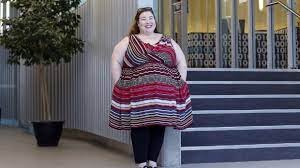
Cat Pause was a prominent fat studies scholar and activist who died suddenly in her sleep at the age of 42 on March 25, 2022. Her cause of death has not been made public, but her death has sparked a wave of tributes and condolences from her colleagues, friends, and admirers. She was also a victim of online harassment and ridicule for her work and views on fatness and health.
Contents
Who was Cat Pause?
Cat Pause was born in the United States in 1979 or 1980. She obtained her BA in Sociology from Southwest Texas State University in 1999, her MA from Texas Tech University in 2002, and her PhD in Human Development from Texas Tech University in 2007. Her dissertation explored weight identity in women who were categorized by health systems as “morbidly obese”.
She moved to New Zealand in 2008 and became a senior lecturer at Massey University in Palmerston North. She was a leading figure in the interdisciplinary field of fat studies, which examines the social, cultural, political, and ethical aspects of fatness and challenges the dominant narratives of obesity and health.
She was also a passionate fat activist who advocated for the rights and dignity of fat people. She organized two international fat studies conferences in New Zealand, edited a book titled Queering Fat Embodiment (2014), hosted a podcast called Friend of Marilyn, and wrote for various media outlets. She was frequently invited to comment on issues related to fatness by national and international media.
What did she contribute to fat studies?
Cat Pause’s scholarship focused on the impact of fat stigma on the health and well-being of fat people. She argued that fat people face discrimination and oppression in various domains of life, such as education, employment, health care, media, and interpersonal relationships. She also challenged the assumption that fatness is inherently unhealthy and that weight loss is the solution to improve health outcomes.
She proposed that fat people should embrace their bodies and identities as they are, rather than trying to conform to the thin ideal. She coined the term “coming out as fat” to describe the process of accepting one’s fatness and rejecting the internalized shame and stigma. She also advocated for a “fat ethics” that respects the diversity and autonomy of fat people and opposes any form of coercion or violence against them.
She also explored the intersections of fatness with other aspects of identity, such as gender, sexuality, race, class, and disability. She edited a book called Queering Fat Embodiment (2014), which brought together scholarship from various disciplines to examine the experiences of fat people who identify as queer or non-normative. She also collaborated with researchers from different countries and backgrounds to advance the field of fat studies.
How did she die?
Cat Pause died unexpectedly in her sleep at her home in Palmerston North on March 25, 2022. Her cause of death has not been disclosed by her family or friends. Her death was announced by Labour MP Deborah Russell on Twitter, who said that she was “shocked and saddened” by the news. She also praised Cat Pause as a “brilliant academic” and a “wonderful friend”.
Her death sparked an outpouring of grief and admiration from her colleagues, students, followers, and fellow activists. Many people shared their memories of her and expressed their gratitude for her work and influence. They described her as a “trailblazer”, a “role model”, a “mentor”, a “champion”, a “heroine”, and a “legend”. They also said that she was “kind”, “generous”, “funny”, “smart”, “brave”, and “beautiful”.
How did she cope with online harassment?
Cat Pause was also a target of online harassment and ridicule for her work and views on fatness and health. She faced criticism from people who disagreed with her arguments or felt threatened by her challenge to the status quo. She also faced abuse from trolls who mocked her appearance or wished harm upon her.
She responded to these attacks with grace and humor, often using sarcasm or irony to expose the ignorance or bigotry of her detractors. She also used social media to create a supportive community of like-minded people who shared her vision and values. She did not let the hate stop her from pursuing her goals and passions.
She once said: “I don’t care what people think about me; I care what they think about fat people.” According to The Guardian, she also said: “I’m not here to make you feel comfortable; I’m here to make you think.”
