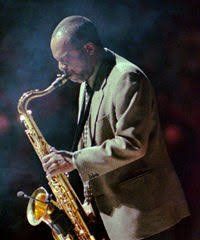
Grover Washington Jr was one of the most influential and popular jazz saxophonists of all time. He was a pioneer of the smooth jazz genre, blending jazz with soul, funk, and R&B. He had many hit songs, such as “Mister Magic”, “Winelight”, “Just the Two of Us”, and “Soulful Strut”. He also collaborated with many other artists, such as Bill Withers, Patti LaBelle, Phyllis Hyman, and B.B. King. He won two Grammy Awards and was nominated for seven more. He was admired by fans and musicians alike for his versatility, creativity, and soulfulness.
But how did Grover Washington Jr die? What was the cause of his death? And what legacy did he leave behind? In this article, we will explore these questions and pay tribute to the jazz legend.
The Day He Died
Grover Washington Jr died on December 17, 1999, at the age of 56. He was in New York City to tape a performance for CBS’s “The Saturday Early Show”. He played four songs that were supposed to air on the morning program. According to CBS News, he collapsed after finishing his last song, “Take Five”, a Dave Brubeck classic that he had made his own. He was rushed to St. Luke’s-Roosevelt Hospital, where he was pronounced dead.
The cause of his death was a myocardial infarction, or a heart attack A myocardial infarction occurs when the blood flow to the heart is blocked, usually by a blood clot or a plaque buildup in the arteries. This deprives the heart muscle of oxygen and nutrients, causing damage or death of the tissue. Some of the common risk factors for a myocardial infarction are high blood pressure, high cholesterol, smoking, diabetes, obesity, stress, and family history.
It is not clear what triggered Grover Washington Jr’s heart attack, but some sources suggest that he had a history of heart problems. He had also been under a lot of stress due to his busy schedule and personal issues. He had recently divorced his second wife, Christine Washington, and was in a custody battle over their two children. He had also been working on a new album, which was later released posthumously as Aria.
The Impact of His Death
The news of Grover Washington Jr’s death shocked and saddened the music world and his fans. Many tributes and condolences poured in from his peers and admirers. Some of the artists who expressed their grief and admiration were Quincy Jones, Herbie Hancock, Wynton Marsalis, Stevie Wonder, Nancy Wilson, George Benson, Kenny G, David Sanborn, and Branford Marsalis.
His funeral was held on December 23, 1999, at Enon Tabernacle Baptist Church in Philadelphia. Thousands of people attended the service, which featured musical performances by Patti LaBelle, B.B. King, Najee, Gerald Albright, Kirk Whalum, and others. His body was buried at West Laurel Hill Cemetery in Bala Cynwyd.
His death also sparked a renewed interest in his music and legacy. His albums sold more copies after his death than before. His songs were played more frequently on radio stations and streaming platforms. His influence was recognized by various awards and honors. In 2000, he received a posthumous Grammy Award for Best Jazz Instrumental Album for Aria. In 2001, he was inducted into the Philadelphia Music Alliance Walk of Fame. In 2009, he was honored with a Pennsylvania State Historical Marker near his home in Philadelphia.
The Legacy He Left Behind
Grover Washington Jr left behind a rich and diverse musical legacy that spans over three decades and dozens of albums. He was one of the most prolific and versatile saxophonists in jazz history. He played soprano, alto, tenor, and baritone saxophones with equal skill and expression. He also played flute and occasionally sang on some of his recordings.
He was also one of the most innovative and influential saxophonists in jazz history. He pioneered the smooth jazz genre, which fused jazz with elements of soul, funk, R&B, pop, and rock. He created a distinctive sound that was smooth yet groovy, melodic yet improvisational, accessible yet sophisticated. He appealed to both jazz purists and mainstream audiences with his catchy tunes and soulful solos.
He also collaborated with many other artists from different genres and backgrounds. He recorded with vocalists, such as Bill Withers, Patti LaBelle, Phyllis Hyman, Nancy Wilson, and B.B. King. He worked with producers, such as Quincy Jones, Creed Taylor, and Bob James.
