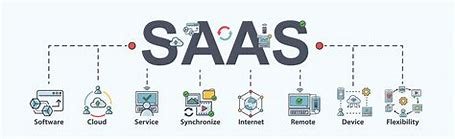
Software as a Service (SaaS) is one of the most popular forms of cloud computing, which allows users to access cloud-based applications over the internet. SaaS provides a complete software solution that users can purchase on a pay-as-you-go basis from a cloud service provider. Users do not need to install, update, or maintain any software or hardware on their devices to use SaaS applications.
SaaS has many advantages for both users and providers, such as lower costs, scalability, accessibility, integration, and security. In this article, we will explore how SaaS is related to cloud computing and how it works.
Contents
What is Cloud Computing?
Cloud computing is the delivery of computing services, such as servers, storage, databases, networking, software, analytics, and intelligence, over the internet. Cloud computing enables users to access and use these services without having to own or manage the underlying infrastructure or platforms.
Cloud computing has three main service models: Infrastructure as a Service (IaaS), Platform as a Service (PaaS), and Software as a Service (SaaS). Each model offers different levels of abstraction and control for the users and providers.
- IaaS: IaaS provides users with access to raw computing resources, such as servers, storage, and networks. Users can rent these resources on demand and pay only for what they use. Users are responsible for managing the operating systems, applications, and data on these resources. IaaS providers are responsible for maintaining the physical infrastructure and ensuring its availability and security.
- PaaS: PaaS provides users with access to ready-made platforms, such as development tools, database management systems, and business analytics. Users can use these platforms to create, deploy, and run their own applications without having to worry about the underlying infrastructure or middleware. PaaS providers are responsible for managing the platforms and ensuring their availability and security.
- SaaS: SaaS provides users with access to fully functional applications that run on the cloud. Users can use these applications over the internet without having to install or update any software on their devices. SaaS providers are responsible for managing the applications and ensuring their availability and security.
How is SaaS Related to Cloud Computing?
SaaS is a form of cloud computing that delivers software applications to end users over the internet. SaaS applications are hosted by the cloud service provider on their data centers and accessed by the users through web browsers or mobile apps.
SaaS is related to cloud computing in the following ways:
- SaaS uses cloud computing resources: SaaS applications run on the cloud infrastructure and platforms provided by the cloud service provider. SaaS providers leverage the scalability, reliability, and security of cloud computing to deliver their applications to users.
- SaaS benefits from cloud computing features: SaaS applications inherit some of the features of cloud computing, such as elasticity, pay-per-use, self-service, and multi-tenancy. These features enable SaaS applications to adapt to changing user demands, reduce operational costs, improve user experience, and increase efficiency.
- SaaS complements cloud computing services: SaaS applications can integrate with other cloud computing services, such as IaaS and PaaS, to enhance their functionality and performance. For example, a SaaS application can use an IaaS service for storage or backup purposes or a PaaS service for data analysis or machine learning purposes.
How Does SaaS Work?
SaaS works in the following steps:
- The user subscribes to a SaaS application from a cloud service provider or a third-party vendor.
- The user accesses the SaaS application through a web browser or a mobile app using an internet connection.
- The user interacts with the SaaS application using its user interface and functionality.
- The user’s data is stored and processed by the SaaS application on the cloud servers.
- The user pays for the SaaS application according to the subscription plan or usage level.
Examples of SaaS Applications
Some of the common examples of SaaS applications are:
- Email: Email services such as Gmail, Outlook, or Yahoo Mail allow users to send and receive emails over the internet without having to install any software on their devices.
- Office tools: Office tools such as Microsoft Office 365 or Google Workspace allow users to create and edit documents, spreadsheets, presentations, and other files over the internet without having to install any software on their devices.
- CRM: CRM services such as Salesforce or HubSpot allow users to manage their customer relationships over the internet without having to install any software on their devices.
- ERP: ERP services such as SAP or Oracle allow users to manage their business processes over the internet without having to install any software on their devices.
- Social networks: Social networks such as Facebook or Twitter allow users to connect and communicate with other people over the internet without having to install any software on their devices.
Conclusion
SaaS is a form of cloud computing that delivers software applications to end users over the internet. SaaS provides a complete software solution that users can purchase on a pay-as-you-go basis from a cloud service provider. Users do not need to install, update, or maintain any software or hardware on their devices to use SaaS applications.
SaaS is related to cloud computing in the following ways:
- SaaS uses cloud computing resources to host and run its applications.
- SaaS benefits from cloud computing features such as scalability, reliability, and security.
- SaaS complements cloud computing services such as IaaS and PaaS to enhance its functionality and performance.
SaaS works by allowing users to access and use its applications through web browsers or mobile apps using an internet connection. Users pay for the SaaS applications according to the subscription plan or usage level.
SaaS has many advantages for both users and providers, such as lower costs, accessibility, integration, and security. SaaS is widely used for various purposes, such as email, office tools, CRM, ERP, and social networks.
According to Microsoft Azure, Red Hat, Techjockey, and javatpoint, SaaS is one of the most popular forms of cloud computing and has a bright future ahead.
